The tender also signals a more structured approach to infrastructure development. Rather than relying solely on football success, Yanga appear to be positioning itself as a sports institution with valuable physical assets
Dar es Salaam. Young Africans (Yanga) have widened their infrastructure ambitions by inviting qualified construction companies to bid for the development of a 12-storey building, adding another significant project to the club’s plans to strengthen its commercial base.
In a tender notice issued on August 25, the club said it was seeking companies with proven experience and capacity in the construction sector to undertake the project on its property along Mafia and Nyamwezi streets in Dar es Salaam.

Interested companies have been asked to obtain tender documents containing the project’s specifications, requirements and evaluation criteria.
The deadline for submitting the completed tender documents is September 1, 2026, according to the notice issued by Yanga.
The project is important because it demonstrates that Yanga’s infrastructure ambitions go beyond the construction of a football stadium.
The club is increasingly looking at its property portfolio as a source of long-term commercial value at a time when leading football institutions are seeking to reduce their dependence on traditional income streams such as match-day collections.
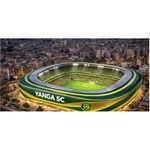
The 12-storey development comes against the backdrop of Yanga’s more ambitious stadium project at Jangwani, where the club has partnered with GSM Group to develop a modern football facility.
The stadium project was officially unveiled in May, with construction expected to take between 18 and 24 months.
The proposed stadium, planned for the historic Jangwani site, is expected to accommodate about 20,000 spectators and provide Yanga with a permanent modern home.
The club and its investment partner are understood to hold equal ownership stakes in the project, with Yanga contributing the land.
That project itself followed years of preparations. Yanga officials previously revealed that land ownership issues had delayed the stadium plans, with the club spending nearly three years addressing legal and ownership matters before the project moved forward.
The stadium is expected to have a significance that extends beyond football. A club-owned venue would give Yanga greater control over match-day revenue, commercial spaces, advertising and other activities that can generate income throughout the year. The same thinking appears to be behind the latest 12-storey building project.
Although the club has not yet disclosed the building’s final commercial specifications, the decision to develop another major property suggests an attempt to create assets capable of generating sustainable income.
For Yanga, this is particularly significant as the club continues to expand its ambitions both domestically and in African competitions.
A modern stadium combined with commercial property could provide the financial foundation required to support player recruitment, youth development, administration and other sporting programs.
The tender also signals a more structured approach to infrastructure development. Rather than relying solely on football success, Yanga appear to be positioning itself as a sports institution with valuable physical assets.