The CGI programme is designed to build capacity among local instructors, coaches, and golf development officers, enabling them to introduce and grow the game in a structured, safe, and professional manner
Dar es Salaam. A total of 16 golf coaches in Tanzania have completed specialised training aimed at equipping them with the skills and knowledge required to coach young and emerging players across the country.
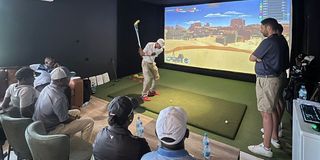
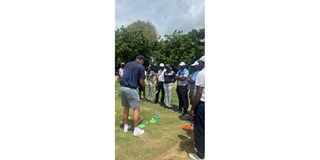
The training, conducted under the Community Golf Instructor (CGI) programme, was delivered by international instructors from The R&A in collaboration with the Tanzania Golf Union (TGU) and The Peninsula Club.
The initiative forms part of broader efforts to strengthen the development of golf in Tanzania, particularly at grassroots, community, and youth levels.
The CGI programme is designed to build capacity among local instructors, coaches, and golf development officers, enabling them to introduce and grow the game in a structured, safe, and professional manner.
By focusing on community-based coaching, the programme seeks to widen access to golf and create sustainable pathways for young players to develop their talents from an early age.
Speaking during the training, TGU Operations Manager Johnson John said the programme was being hosted at The Peninsula Club, a venue that has consistently proven to be a key strategic partner in the Union’s golf development initiatives.
He noted that the club has played a significant role in supporting TGU’s vision of expanding and professionalising golf in Tanzania.
John explained that through this collaboration, TGU and its partners are enhancing the technical and instructional capacity of Tanzanian coaches by aligning their training with internationally recognised standards set by The R&A.
“This partnership between TGU, The Peninsula Club and The R&A reflects our shared commitment to developing golf in a sustainable, inclusive and long-term manner,” said John.
“The CGI programme is a vital tool in ensuring that golf is taught with professionalism, safety and a clear focus on nurturing the next generation of players.”
He added that investing in coach education is a cornerstone of long-term sports development, as well-trained instructors are essential in identifying talent, maintaining high coaching standards, and promoting the core values of the game.
On his part, R &A international tutor Pete Forster expressed his satisfaction with the progress Tanzania has made in golf development and voiced strong confidence that the CGI training would help expand the reach of the sport nationwide.
“Tanzania has a lot of golf talent,” said Forster. “These talents need to be properly developed to achieve the highest possible level and to compete internationally.
Through this training, many young players will benefit from the knowledge and skills of these 16 trained coaches. I am truly encouraged by what I have seen.”
Forster was joined by fellow international tutors Alex Macgregor and Vincent Wang’ombe, who also played key roles in delivering both theoretical and practical components of the training.
The sessions covered modern coaching techniques, junior golf development, and effective ways of introducing golf to beginners in community settings.
One of the participants, Angel Eaton who is Tanzania’s only professional female golfer, said the training had significantly enhanced her coaching knowledge and approach.
She explained that the programme exposed participants to modern and effective coaching methods that are essential for the growth of the game.
“Like other sports, golf continues to evolve and now relies on modern coaching approaches,” said Eaton.
“We are grateful to TGU, The R&A and The Peninsula Club for making this training possible, as it will help us contribute more effectively to the development of golf in Tanzania.”
Fellow professional golfer Salum Dilunga said the CGI programme would enable coaches to reach more communities and uncover additional talent across the country. He noted that the training had equipped them with the tools needed to introduce golf to new audiences, particularly young people who may not have previously had access to the sport.
Another participant, Geofrey Leverian, used the opportunity to call on parents to allow and encourage their children to take up golf. He stressed that the game offers not only sporting opportunities but also life skills such as discipline, integrity and respect.