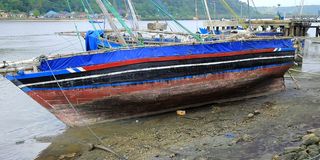
Tanga. Two people have died while three others are feared dead after a cargo dhow sank in the Nungwi area of Zanzibar.
The accident occurred on Saturday, March 14, 2000, when the dhow was travelling from Pangani Port in Tanga Region to Mkokotoni Port on Unguja Island.
According to preliminary reports, the bodies of two people have already been recovered in areas around Mkokotoni Port while three others are still being searched for.
The Tanzania Shipping Agencies Corporation (Tasac) acting officer incharge, Mr Christopher Mlelwa, confirmed the incident.
He said the sunken dhow, MV Talawanda, had been operating cargo transport trips between Pangani and Mkokotoni.
“Basically we insist that all vessels operating through waterways must be registered and certified for seaworthiness by the relevant authority, which is Tasac,” said Mr Mlelwa.
He explained that the vessel had been registered to carry cargo only and not passengers.
“The vessel involved in the March 14 accident had been registered for cargo. It left Pangani Port for Mkokotoni but lost direction due to bad weather,” he said.
He added that the vessel’s captains did not observe weather forecast warnings that authorities have repeatedly emphasised to marine travellers.
According to information from Pangani Port, the dhow started its journey carrying only six crew members.
However, after the accident it emerged that there were more people on board than those who had begun the journey.
“After the accident it was discovered that the vessel had 12 people, including sailors and five passengers who boarded along the route,” said Mr Mlelwa.
He said those passengers allegedly boarded at the Ushongo area in Pangani without following marine transport procedures.
“Basically the vessel violated regulations by carrying passengers while it had been registered to carry cargo,” he emphasised.
Mr Mlelwa said the search and rescue operation was conducted by the Zanzibar's Special Anti-Smuggling Force in cooperation with boat captains from Ushongo and other Pangani areas.
“According to information we received search and rescue centre, seven people were rescued in the accident,” he said.
He added that so far three people are still missing while two bodies have already been recovered in the Mkokotoni area.
One of the dhow owners in the Pangani area, Mngwali Usi, said marine accidents are often caused by the greed to load cargo beyond a vessel’s capacity.
“Sometimes when you tell captains not to load beyond the limit they do not listen because of the desire for money,” he said.
He said he is sometimes forced to personally go to the port to supervise cargo loading to ensure it does not exceed the vessel’s capacity.
“When you see me coming personally to the port it is to ensure the cargo being loaded onto my vessel matches the dhow’s capacity,” he said.
The owner said that on the day of the incident he spoke with one of the sailors who died, who is his sister’s son.
“The one who died is my sister’s son. I told him many times the sea is not a place for young boys, but sometimes they laugh saying the old man is outdated,” he said sadly.
He said that day the weather was not good and he advised some captains to wait or head to another safe harbour.
“I told him to continue to Kikubwi Port because the weather was not good, but his colleague who was with him did not listen and continued the journey,” he said.
He said later he tried calling them to warn them further about the weather but their phones were switched off.
“I tried calling them to tell them the sea conditions were not good, but their phones were switched off, believing they would arrive safely,” he said.
For his part, a sailor of the dhow Subira, Mr Juma Mashali, said sometimes the challenge comes from pressure from traders who want their goods delivered quickly.
“Sometimes traders force their goods to be transported even when weather conditions are not good,” he said.
He said in such situations captains are forced to make difficult decisions to protect people’s safety.
“Sometimes it happens that a captain is forced to save himself instead of saving a passenger who is on his vessel,” he said.
Mr Mashali emphasised the importance of sailors and captains receiving adequate training and following weather forecasts to prevent marine accidents.
Register to begin your journey to our premium contentSubscribe for full access to premium content