Experts warn cancer deaths in Africa could double without improved services

Unguja. Despite ongoing efforts, Africa continues to face major challenges in cancer management, particularly due to a shortage of skilled personnel and inadequate healthcare infrastructure, experts have said.

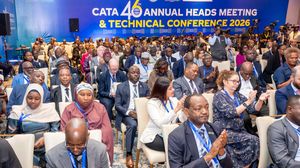
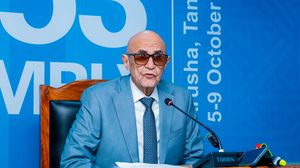
The observation was made on Monday, February 2, 2026, during the semi-annual regional coordination meeting of the RAF6060 project, which aims to strengthen member states’ capacity in cancer detection and treatment, held in Zanzibar with over 90 participants from 33 African countries.

The International Atomic Energy Agency (IAEA), Program Management Officer, Amal Elrefaei, said while progress is being made, cancer remains a major threat across the continent.

“Significant challenges remain in cancer management, especially regarding human resources and infrastructure,” she said.

She added that the IAEA has intensified initiatives to enhance the application of nuclear science and technology in Africa through sustainable capacity building and human resource development.

“This includes support for postgraduate programmes, strengthened curricula, and e-learning modules in radiology, medical physics, nuclear medicine, radiation therapy, nutrition, and nuclear science and technology,” said Elrefaei.

The program management officer also highlighted efforts to strengthen professional networks and collaboration, noting that the meeting provides a platform to share experiences and identify practical, actionable steps to improve programme efficiency and cancer outcomes in the region.

According to Elrefaei, cancer is a leading cause of death in Africa, noting that the 2022 Globocan Cancer Observatory report recorded 763,000 deaths and 1.18 million new cancer cases across the continent.

The 2022 Lancet Oncology Commission report predicts that cancer deaths in Africa could double, reaching 1.4 million annually by 2040.

Nuclear oncology specialist at Bugando Regional Hospital and Tanzanian project coordinator, Dr Benard Gombanila, said the four-year regional project, which began in 2024 and involves all member states with atomic energy programmes, is expected to conclude in 2027.

“The main goal is to bring cancer services closer to African countries, from screening to treatment, addressing challenges not only in equipment but also in human resources,” he said.

Dr Gombanila added that the project has already impacted communities by providing short- and long-term training and supplying essential equipment.

He said cancer cases in Tanzania continue to rise annually, with limited capacity to diagnose and treat due to shortages of diagnostic and treatment machines and specialists.

According to 2022 World Health Organization (WHO) statistics, Tanzania records approximately 45,000 new cancer cases annually, with nearly 22,000 deaths, a figure projected to double within the next 20 years.

“As a country, we must establish systems to detect and treat cancer to save lives,” he said.

The Zanzibar Ministry of Health Permanent Secretary, Dr Mngereza Miraji Mzee, said cancer is no longer a future threat but a current public health challenge in Zanzibar and Africa.

“Non-communicable diseases, particularly cancer, place significant pressure on our health systems, requiring early detection, proper interventions, safe treatment methods, and skilled personnel,” he said.

He added that Zanzibar has made strategic political and investment decisions to prioritise cancer services nationally, including establishing a National Cancer Control System aligned with international best practices, integrating cancer care at all service levels, improving diagnostic imaging, pathology, laboratory medicine, and building capacity in radiation therapy, nuclear medicine, and oncology nursing.

Director of Radiation Control at the Atomic Energy Commission, Dr Emanuel Ngaile, said the RAF6060 project aligns with Tanzania’s national health priorities and supports ongoing efforts to improve access to quality cancer diagnosis and treatment.

It also strengthens institutional capacity and integrates nuclear medicine and radiation therapy within national health systems.

Opening the meeting, Zanzibar Second Vice President Hemed Suleiman Abdulla said the rise in cancer cases and limited access to screening and treatment across many African regions necessitate enhanced capacity, regional collaboration, and optimal use of science and technology.

He stressed the importance of ensuring the RAF6060 project succeeds in achieving its intended goals.