Unguja. The rising number of Tanzanians living with diabetes is being compounded by uneven access to insulin, high treatment costs, and limited family affordability, particularly in rural areas, according to statistics.
Data from the National Health Information System (DHIS2) show that over five years, the number of people with diabetes increased from 680,445 in 2021 to 863,741 in 2025, a 27 percent rise.
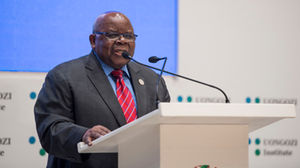
Speaking at the International Conference on Access and Distribution of Insulin (ACCISS) in Unguja on Tuesday, February 3, 2026, Zanzibar Vice President Hemed Suleiman Abdulla, said the challenge requires regional collaboration and robust health systems to meet growing demand.
“Diabetes is a global health challenge affecting millions. Ensuring equitable access to life-saving insulin remains critical,” he said, representing President Hussein Ali Mwinyi.
Vice President Abdulla noted that despite insulin’s effectiveness, many countries, particularly middle-income nations, continue to face shortages.
He urged governments to create enabling environments through strong policies, sustained funding, and local production of essential medicines.
More than 2.9 million Tanzanians live with diabetes, with over 10,000 depending on insulin to survive and maintain quality of life.
Currently, mainland Tanzania and Zanzibar have more than 170 clinics serving 7,607 children with type 1 diabetes.
Zanzibar’s Acting Health Minister, Dr Saada Mkuya Salum, said access to essential medicines, including insulin, is a fundamental human right.
She highlighted that Tanzania’s 2050 sustainable development plan targets an increase in life expectancy from 65 years in 2019 to 75, while aiming to reduce deaths from non-communicable diseases from 4.9 percent to 2.2 percent.
Dr Mkuya emphasised that achieving these goals requires a strong health system and timely access to quality insulin across the country.
The Tanzania Diabetes Association secretary general, Prof Kaushik Ramaiya, said the conference focuses on improving insulin availability and treatment outcomes for people living with diabetes.
The Zanzibar Health Ministry permanent secretary, Dr Mngereza Mzee Miraji, noted that while insulin has saved lives for over a century, high costs, distribution gaps, and weak health systems continue to place heavy burdens on patients, families, and national health structures.
International health experts attending the three-day conference from 15 African countries praised Tanzania’s efforts and called for stronger regional and global collaboration to ensure insulin is accessible and affordable for all.