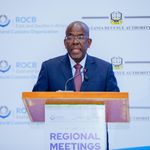
Comesa pushes digital insurance reforms to ease cross-border trade

Dar es Salaam. Efforts to digitise the COMESA Yellow Card Scheme are expected to enhance regional trade, improve insurance services and ease movement of goods across borders, delegates attending the 64th Management Committee meeting in Dar es Salaam this week heard.

The meeting brought together representatives from about 15 member states to discuss modernising the regional motor insurance system, reducing operational bottlenecks and strengthening compensation mechanisms for accident victims travelling across borders.

The scheme is a cross-border motor insurance arrangement guaranteeing compensation for third-party liabilities arising from road accidents involving motorists travelling within participating countries.

Chairman Mr David Boucher of Djibouti said discussions focused on reforms to make the scheme more efficient and responsive to growing trade demands.

He said two meetings are held annually to prepare changes ahead of the Council of Bureaux meeting, adding that digitalisation is central to addressing challenges.

Member states are increasingly adopting technology to improve service delivery and strengthen confidence among road users and transport operators, he said.

He commended Tanzania for hosting and said delegates received strong support.

“It is my pleasure to be here. Tanzania has hosted before and we are warmly welcomed,” he said.

NIC Managing Director Mr Kaimu Abdi Mkeyenge said the scheme facilitates trade by ensuring compensation regardless of where accidents occur.

He said Tanzania benefits due to its strategic position as a gateway for landlocked countries using the Port of Dar es Salaam.

He said the arrangement simplifies cross-border travel and promotes integration and growth.

He acknowledged challenges in claims settlement but said digital improvements have reduced them.

He said system-based issuance has reduced counterfeit insurance cards through verification and security collaboration.

Tanzania Insurance Regulatory Authority (Tira) Commissioner, Dr Baghayo Saqware urged faster digital transformation and integration of regulatory systems.

He said efficiency, reduced paperwork and system connectivity would improve service delivery and claims processing.

He called for simpler processes and reduced documentation for motorists crossing borders.

Delegates also noted that digital reforms are expected to reduce delays at border posts by enabling real-time verification of insurance cover, improving coordination between national bureaux and enhancing trust among transport operators across the region.

They further said harmonised digital systems would help member states share data more efficiently, particularly on claims management and fraud prevention, thereby strengthening the credibility of the scheme and reducing disputes.

Officials said the Yellow Card Scheme remains a key pillar in facilitating intra-regional trade under COMESA integration efforts, particularly for economies reliant on road transport corridors linking ports to inland markets.

Tanzania’s role as a logistics hub for neighbouring landlocked countries was highlighted as central to the success of the scheme, with stakeholders noting increasing cargo volumes moving through Dar es Salaam port.

Participants agreed that continued investment in digital infrastructure and regulatory cooperation would be critical in ensuring the scheme keeps pace with growing cross-border transport demand.

Stakeholders said reforms will also support safer roads, faster claims settlement, and improved accountability across the insurance value chain, reinforcing regional economic integration and boosting confidence in cross-border transport systems within Comesa member states.