Hepatitis B: A preventable disease still claiming lives
Every year on 28 July, countries around the world observe World Hepatitis Day, a global campaign dedicated to raising awareness about viral hepatitis and encouraging action to prevent, diagnose and treat the disease. The date commemorates the birthday of Nobel Prize-winning scientist Dr Baruch Blumberg, who discovered the hepatitis B virus and later helped develop the first vaccine against it.
Despite remarkable advances in prevention and treatment, hepatitis B remains one of the world's deadliest infectious diseases. It silently affects hundreds of millions of people, many of whom do not know they are infected until irreversible liver damage has already occurred.
Unlike many illnesses that quickly announce themselves through obvious symptoms, hepatitis B often progresses unnoticed for years. This silent nature has earned it the reputation of being a "silent killer." Yet it is also one of the most preventable viral infections, thanks to a safe, highly effective vaccine that has been available for decades.
Hepatitis B is a viral infection caused by the hepatitis B virus (HBV), which attacks the liver. The infection may be acute, lasting only a few weeks or months, or chronic, where the virus remains in the body for many years or even for life.
While many people recover fully from an acute infection, others develop chronic hepatitis B. Over time, the virus can slowly damage the liver, leading to cirrhosis, liver failure or hepatocellular carcinoma, the most common form of liver cancer.
According to the World Health Organisation (WHO), hepatitis B remains a major global health challenge. The highest burden of chronic infection is found in the Western Pacific Region, where around 102 million people are living with the virus, followed by the WHO African Region, with approximately 64 million infections. Millions more live with hepatitis B in South-East Asia, the Eastern Mediterranean, Europe and the Americas.
These figures represent not just statistics but millions of families affected by a disease that can largely be prevented.
Many people wrongly believe hepatitis B spreads through casual contact such as hugging, shaking hands, sharing meals or coughing. This is not true. The virus is spread through contact with infected blood and certain body fluids, including semen and vaginal fluids. Common routes of transmission include:
From an infected mother to her baby during childbirth.
Unprotected sexual contact with an infected person.
Sharing contaminated needles and syringes.
Using unsterilised equipment for tattooing, piercing or medical procedures.
Sharing razors, toothbrushes or other items contaminated with blood.
Occupational exposure among healthcare workers through accidental needlestick injuries.
In regions where hepatitis B is common, transmission from mother to child and among young children remains one of the leading causes of chronic infection.
Why children are especially vulnerable
One of the most alarming facts about hepatitis B is that age at infection determines the likelihood of developing lifelong disease.Adults infected with hepatitis B usually recover. In fact, fewer than five percent of healthy adults who acquire the virus develop chronic infection.
The picture is dramatically different for babies. Around 95 percent of infants infected at birth or during the first five years of life develop chronic hepatitis B. Because they often show no symptoms, these children may unknowingly carry the virus for decades before developing severe liver disease later in adulthood. This is why WHO places enormous emphasis on newborn vaccination.
One reason hepatitis B remains so dangerous is that many infected people feel perfectly healthy. Most newly infected people experience no symptoms at all. When symptoms do appear, they may include:
Yellowing of the skin and eyes (jaundice), dark-coloured urine., extreme tiredness, loss of appetite and nausea and vomiting, fever and pain or discomfort in the upper abdomen.
Because these symptoms resemble many other illnesses, laboratory testing is essential to confirm hepatitis B infection.
Many people only discover they are infected after routine blood tests, pregnancy screening, blood donation or investigations for liver disease. Although hepatitis B affects hundreds of millions of people, awareness remains surprisingly low.
WHO estimates that by 2024, only about 65 million people—roughly 27 percent of those living with chronic hepatitis B—knew they were infected. That means nearly three-quarters of infected individuals remain unaware of their condition. Without diagnosis, they cannot receive treatment or take steps to protect family members from infection. This makes expanding access to testing one of the most important public health priorities.
WHO recommends hepatitis B testing for pregnant women, blood donors, people with suspected liver disease, healthcare workers and individuals at higher risk of infection. In countries where hepatitis B is common, WHO also recommends wider access to routine testing for adults.
There is currently no cure for acute hepatitis B. Treatment focuses on relieving symptoms while the body clears the infection naturally.
For chronic hepatitis B, however, antiviral medicines can make an enormous difference. Drugs such as tenofovir and entecavir suppress viral replication, slowing liver damage, reducing the risk of cirrhosis and liver cancer, and improving long-term survival.
For many patients, treatment is lifelong. Unfortunately, access to treatment remains far too limited.WHO estimates that only 10 million people—about 4.3 percent of everyone living with chronic hepatitis B—were receiving antiviral treatment in 2024.
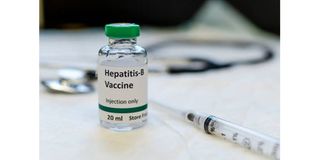
Updated WHO guidelines released in 2024 are expected to expand eligibility for treatment, potentially allowing more than half of all people living with chronic hepatitis B to benefit from antiviral therapy. Perhaps the most encouraging aspect of hepatitis B is that it is highly preventable. The hepatitis B vaccine is among the safest and most effective vaccines ever developed, providing close to 100 percent protection when the full course is completed.
WHO recommends that every newborn receive the first dose within 24 hours of birth, followed by two or three additional doses during infancy.
Protection lasts for at least 20 years and is believed to be lifelong for most people. Vaccination has already transformed the global fight against hepatitis B. Before widespread immunisation, approximately five percent of children under five worldwide lived with chronic hepatitis B.
By 2024, that figure had fallen to around 0.6 percent, demonstrating the extraordinary impact of childhood vaccination programmes. However, progress has not been equal everywhere.
The WHO African Region still records a prevalence of 1.4 percent among children under five—well above the global target of 0.1 percent by 2030. This reflects challenges such as high maternal infection rates, inadequate childhood vaccination coverage and limited access to the critical birth-dose vaccine.
Beyond vaccination, everyone can take practical steps to reduce the risk of hepatitis B infection. These include practising safer sex by using condoms, avoiding the sharing of needles or sharp objects, ensuring tattooing and piercing equipment is sterile, following infection-control measures in healthcare settings and washing hands thoroughly after contact with blood or body fluids.
Healthcare workers should receive hepatitis B vaccination because of their increased occupational risk. Pregnant women should also be tested during antenatal care so that babies born to infected mothers can receive timely preventive treatment immediately after birth.
The global community has committed to eliminating viral hepatitis as a public health threat by 2030. Achieving this goal will require expanding vaccination, improving access to testing and treatment, strengthening maternal and child healthcare services, and tackling the stigma that often prevents people from seeking care.
Awareness campaigns such as World Hepatitis Day play an essential role in reminding people that hepatitis B is not a disease of the past. It continues to claim lives every day, particularly in low- and middle-income countries where access to healthcare remains uneven.
The encouraging news is that the tools needed to defeat hepatitis B already exist. Safe vaccines can prevent infection, reliable blood tests can detect it early, and effective medicines can help people with chronic hepatitis B live long and healthy lives.