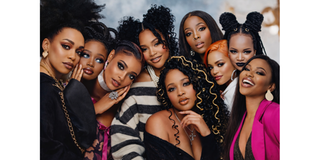
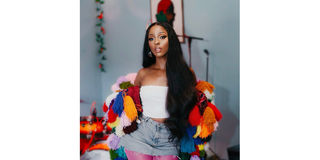
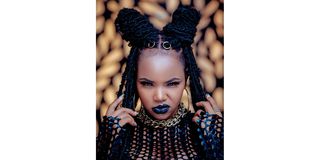
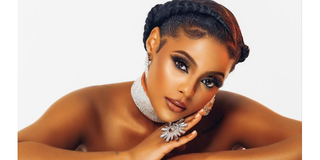
Today, FEMALE artistes are NOT JUST present BUT leading the charts, captivating audiences and shaping the sound of a generation. THESE ARTISTES demonstrate that talent, strategy, and perseverance can cement a lasting impact on Tanzania’s music industry
For many years, Bongo Flava was largely driven by male artists, especially during its commercial rise in the early 2000s.
While pioneering female stars such as Lady Jaydee and Ray C achieved major success, women were fewer in number and often faced greater challenges in maintaining visibility in a competitive, male-dominated industry.
However, this has changed significantly in recent years. Female artists are now consistently releasing chart-topping hits and commanding audiences across radio, streaming platforms, and live performances.
Today, women are a strong and visible force in Bongo Flava, reflecting a more competitive and balanced music landscape.
This signals that the door is open, and those who have passed through have left an indelible mark.
Here are some of the women who have been shaping the Bongo Flava scene over the past five years.
Zuchu
It is impossible to discuss female success in today’s Tanzanian music industry without mentioning Zuhura Othman, popularly known as Zuchu. Since joining WCB Wasafi in 2020, she has been a hit-making machine. Songs like Sukari, Honey, Kwikwi, Cheche, Litawachoma, Napambana, Utaniua, and Jaro have all enjoyed massive reception, not to mention her high-profile partnership with her manager and now husband, Diamond Platnumz.
She earned the Silver Play Button from YouTube for being the first female East African artist to reach 100,000 subscribers in a week. Within five years of signing to Wasafi, she received the Best Newcomer Award at the 2020 AFRIMMA (All Africa Music Awards) and was later nominated for MTV EMAs, becoming the first female from East Africa to compete for that honour.
She also made history as the female artist with the most YouTube subscribers in sub-Saharan Africa and became the first East African female artist to surpass 100 million streams on Boomplay.
Nandy
Faustina Charles Mfinanga, better known as Nandy African Princess, has maintained her position at the top due to her versatility and signature soothing voice. She began her musical journey in 2016 with the song Nagusagusa, shortly after finishing second in Tecno’s Own the Stage talent show in Nigeria.
In 2017, she won AFRIMMA’s Best Female East African Artist award. Since then, every release—from Number One to Kiza Kinene, Usemi Sina, Nikuone, Do Me, and Asante—has confirmed her understanding of what fans want and when. Her commanding stage presence and live singing ability have set her apart, making her an inspiration for women balancing careers, motherhood, and personal ambitions.
Phina
Phina’s rise has been swift and remarkable. She started her career in 2018 and quickly gained recognition with songs like Upo Nyonyo, SuperWoman, Sisi Ni Wale, and Manu. Her blend of voice and image has created a marketable and popular package.
Phina first gained attention through the Bongo Star Search competition in 2018. She has since won multiple TMA awards, including Best Female Newcomer (2021) and Best Female Performer and Best Collaboration (2022). Her achievements by age 30 serve as a lesson and motivation for aspiring female artists.
Rosa Ree
Hip hop has traditionally been male-dominated, perceived as a tough genre with few women succeeding. Yet, Rosary Robert, aka Rosa Ree, has emerged as a leading female symbol in Tanzanian hip hop. Songs like Way Up, Downtown, Mama Omolo, and Champion have earned her respect.
Her breakthrough came with One Time (2016) and Up in the Air (2017), opening doors for greater recognition. In 2022, Rosa Ree won the East Africa Arts & Entertainment Awards (EAEA) Best Female Hip Hop Artist, a testament to her regional success and the growing acceptance of female hip hop artists.
Maua Sama
Maua Sama is known for her emotionally charged voice and romantic songs. Hits like Iokote, Wamekata, and Nioneshe, along with several collaborations, have cemented her long-term relevance.
She began her music career in 2013 after being discovered by Tanzanian rapper and politician Mwana FA, collaborating on So Crazy. In 2015, her first official single, Let Me Know, further increased her popularity. Maua Sama represents a style of music that appeals across generations while remaining authentic and heartfelt.
Abigail Chams
One of the youngest and most influential stars in East African music today, Abigail Chams has rapidly evolved from a rising talent into a globally recognised artiste with a multifaceted impact both inside and outside of music.
Born Abigail Chamungwana, she blends Bongo Flava, Afro‑pop, R&B, and traditional Tanzanian influences into a genre‑defying sound that resonates across borders.
Abigail’s breakthrough has been marked by major milestones. She was signed to Sony Music Africa at just 18, making her one of the youngest Tanzanian artists ever to land a deal with a major international label.
Her music career is distinguished by collaborations with some of East Africa’s biggest names, including Marioo, Harmonize, and Rayvanny, with tracks like “Me Too” becoming viral hits that have dominated charts and playlists across the region.
In 2025, Abigail made history by becoming the first female artist from East Africa nominated for the BET Awards’ Best New International Act, a milestone heralded not just as an achievement for her personally but as a cultural moment for Tanzanian and African music on the global stage.
Her nomination sparked nationwide pride, with official acknowledgement even taking place in the Tanzanian Parliament, underscoring how deeply her success resonated at home.
Beyond music, Abigail is a committed social advocate. She is a UNICEF Youth Advocate, focusing on mental health and gender equality, and a Spotify EQUAL Africa ambassador—platforms she uses to amplify voices of young Africans and champion opportunities for female artists.
Hevi
Hevi (real name Heaven Rujumba) is one of the exciting new voices emerging from Tanzania’s vibrant music scene. Though a relatively recent entrant compared with long-established stars, she’s quickly gained attention for her soulful vocals, distinct songwriting, and ability to blend traditional Tanzanian influences with contemporary Afro-pop, R&B, and Bongo Flava elements.
One of her most notable works is “My Rider”, the song has not only captivated listeners on streaming platforms but also gained recognition from major music outlets and playlists as a standout release with heartfelt lyrical content and a smooth, accessible vibe.
Hevi’s “My Rider” earned her a mention on Rolling Stone Africa’s 2025 Afropop list, an indicator that her artistry is being noticed beyond local airwaves and entering the broader African music conversation.
Yammi
Yasirum Yasin Shaaban, known as Yammi, gained attention via TikTok challenges covering popular Tanzanian and Indian songs. Nandy recognised her talent and introduced her under the African Princess label, leading to her debut EP, Three Hearts.
Yammi exemplifies the power of social media in launching music careers, demonstrating that dedication and strategy can transform online influence into real-world success.
Mimi Mars
Born Marianne Namshali Mdee, “Mimi Mars”, she began her music journey years ago and has since developed a distinct voice within Bongo Flava, Afro‑pop, and contemporary rhythm styles.
Over time she has released memorable tracks such as ‘For You’, ‘Hater’, “Pole” (feat. Nandy), “‘La La’ (feat. Marioo), Una (feat. Young Lunya & Marioo), ‘Shuga’, which showcase her ability to craft songs that balance catchy melodies with emotional range and genre-blending appeal.
Beyond music, Mimi Mars is also respected for her multi‑faceted creative endeavours.
She has appeared in films and television projects, including the Tanzanian series Jua Kali, where she showcased her acting talents.