Designers, performers and guests converge in Zanzibar as fashion, tradition and live performance come together in a vibrant celebration of identity and innovation
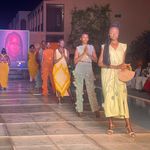
On a breezy Zanzibar evening, where the sound of the ocean lingers softly in the background, fashion unfolds not just as spectacle but as storytelling during the third edition of Rangi za Mora, held at The Mora Zanzibar.
What once began as an intimate resort showcase has now grown into one of Zanzibar’s most thoughtful creative gatherings, a platform where fashion meets heritage, community and contemporary identity.
This year’s edition marks a turning point, opening its doors to the wider public for the first time and transforming the event into a shared cultural celebration
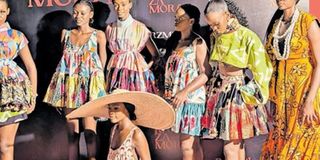
Guided by the theme “Woven. Worn. Reimagined”, the showcase invites audiences into a fashion journey shaped by Zanzibar’s layered past.
African, Arab, Indian and Swahili influences, long intertwined within the island’s history, appear reinterpreted through modern silhouettes, textures and craftsmanship.
Rather than chasing trends, designers lean into storytelling. Flowing fabrics echo coastal elegance, handmade crochet pieces celebrate artisanal skill, and structured tailoring suggests contemporary urban influence.
Each look feels like a conversation between generations, with tradition speaking softly through modern design.
The energy of the evening feels different from conventional fashion presentations.
Guests arrive dressed boldly, embracing colour and personal style, blurring the line between audience and presentation space.
Conversations flow easily between designers, creatives and visitors, creating an atmosphere closer to a cultural gathering than a formal showcase.
For WaizParisWork, the theme resonates deeply.
“We are reimagining tradition for today’s audience,” the designer notes. “Fashion allows us to carry culture forward in a way that feels alive.”
Collections from Asili by Naliaka, Vaazi and Mnazi reflect the diversity shaping East Africa’s creative landscape, from handcrafted textures to contemporary resort wear designed for an international yet culturally rooted audience.
Set against The Mora’s modern coastal architecture, the event highlights a growing relationship between fashion and experiential tourism.
International guests encounter local creativity firsthand, while Zanzibari audiences see their cultural narratives elevated within a globally visible space.
A guest attending from Stone Town describes the experience simply, “It feels authentic. You recognise Zanzibar in the designs, not just visually but emotionally.”
Another attendee visiting from mainland Tanzania observes how such gatherings are reshaping travel experiences.
“People are coming for culture now, not only relaxation. Fashion becomes part of how you understand a place,” she says.
Beyond the runway, performance plays a central role in shaping the evening’s atmosphere.
The show opens with a striking presentation by Maasai performers, whose traditional chants and rhythmic movements immediately ground the event in East Africa’s cultural heritage.
Their presence sets a powerful tone, signalling that the night is as much about identity as it is about design.
As the evening unfolds, a contemporary dance group takes to the stage, captivating the audience with high-energy, acrobatic choreography.
The movements added dynamism and theatricality to the showcase, bridging tradition and modern performance in much the same way the collections reinterpret cultural influences.
The interplay between fashion and performance transforms the experience into a multi-sensory narrative rather than a conventional runway show.
Live entertainment added rhythm to the evening, weaving music and performance into the fashion presentations.
The pacing allows moments of reflection between collections, encouraging audiences to absorb the craftsmanship and intention behind each piece.
Porsche Dumagude, Cluster Marketing Manager at The Mora, further explains the inspiration behind the showcase, noting that Rangi za Mora is deeply rooted in place and purpose.
“What inspires Rangi za Mora is our strong connection to Zanzibar and its vibrant creative scene,” she says.
“We want to create a platform that celebrates local talent while offering guests an authentic, contemporary expression of the destination.”
She adds that the showcase closely reflects the brand’s identity and creative direction.
“The show reflects our laid-back luxury philosophy, immersive, creative and rooted in place. Hosting it on the beach and showcasing culturally inspired designs brings our vision of destination-led experiences to life,” she says.
Dumagude also emphasises the message the team hopes guests carry beyond the event.
“Zanzibar is more than a beautiful island, it is a source of creativity, culture and innovation,” she says. “We want guests to leave feeling inspired and more connected to the destination.”
International visitors also share strong impressions of the experience, highlighting how Zanzibar is increasingly positioning itself within global creative conversations.
Emma Clarke, a visitor from London says, “I do not expect such a rich narrative. It feels like walking through history and modern identity at the same time. The setting makes it even more powerful because nature and creativity are completely connected.”
Her friend Camille Dubois, on the other hand, shares that she will definitely return with a few collections from the runway.
“The craftsmanship is remarkable. I looked at some designs, and I was like, ‘Yep! I will definitely wear that. It felt intimate yet globally relevant.”
Luca Bianchi, an attendee from Milan in Italy, who also won one the giveaways, ‘a spa session for two’, notes, ‘The attention to texture and fabric movement is outstanding. It reminds me of how fashion can be both art and cultural memory. I see strong potential for these designers in international showcases.”
Jonas Müller, visiting from Berlin in Germany with his family, comments that what stood out for him was authenticity.
“Nothing feels forced. You can see that the designs come from lived culture, not imitation. That is very rare in global fashion events.”
Further adds, “This experience changes how you think about resort destinations. “ London is not only about leisure. It is about creative ecosystems. Zanzibar feels like a living gallery.”
By the end of the night, as designers take their final walk and applause echoes through the venue, it becomes clear that Rangi za Mora moves beyond being a fashion showcase.
It becomes a cultural dialogue, one that celebrates creativity while nurturing the island’s growing fashion ecosystem and expanding its international reach.
In many ways, the evening captures Zanzibar itself, layered, expressive and constantly evolving.
Because in Zanzibar, identity is never fixed. It is continuously woven, worn and reimagined.