East African Community lifts hiring freeze, unveils 69 priority jobs

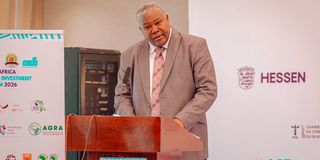
The East African Community (EAC) Secretary-General, Ambassador Stephen Mbundi, speaks at a past event. PHOTO| FILE

Arusha. The Council of Presidents and Ministers of the East African Community (EAC) has lifted the recruitment freeze across all organs and institutions of the bloc and approved a phased staffing plan starting in the 2026/27 financial year.

The decisions were reached in Mombasa, Kenya, from August 18 to 21, 2026, during an Extraordinary Meeting convened to address urgent personnel matters.

Uganda’s First Deputy Prime Minister and Minister for EAC Affairs, Ms Rebecca Kadaga, who is the current chairperson of the EAC Council of Ministers, chaired the meeting, according to an EAC media statement released on Monday, August 24, 2026.

Ministers, permanent secretaries, and delegates attended the meeting from partner states, EAC Secretary-General Ambassador Patrick Mbundi, and staff members from various institutions of the bloc.

“To ensure effective operations, the Council directed the Secretariat to advertise, as soon as possible, 69 priority positions across all partner states and begin the recruitment process immediately,” reads part of the statement.

“The Council also approved an electronic recruitment system (e-recruitment) for the entire hiring process, a move aimed at improving transparency and efficiency,” reads another part.

It also adopted job descriptions that had been reviewed and verified by experts from partner states.

During the meeting, the Council appointed Pascaline Balisanga Nyiramutuzo from Rwanda as the new East African Civil Aviation Safety and Security Oversight Agency (CASSOA) Executive Director for a three-year term.

The decisions are expected to streamline recruitment and strengthen the workforce and operational capacity of EAC organs, helping to effectively implement the Community’s Seventh Development Strategy, launched by EAC Heads of State in March this year.

The bloc faces staff shortages after positions left vacant when employees’ contracts ended remained unfilled for long periods, while the EAC continues to face financial challenges because some partner states have failed to contribute funds needed to run the community.