London. Ghent University in Belgium has suspended US academic Nathan Cofnas pending a preliminary disciplinary investigation after he raised plagiarism allegations against late Cambridge professor Jason Arday, who was found dead in London last week.
Cofnas announced the suspension on Thursday, saying he was being investigated for allegedly discriminating against Arday.
“I was just suspended by Ghent University. They will almost certainly fire me,” Cofnas wrote on X.
Ghent University confirmed that Cofnas had been suspended as a precautionary measure while it conducts a preliminary disciplinary investigation, but said it would not disclose details of the case because of confidentiality requirements.
The university said it supports academic freedom and open debate, including when views are controversial, but stressed that such freedom comes with responsibility.
“Ghent University stands for respect for human dignity and opposes discrimination, hatred and racism,” Rector Petra De Sutter and Vice-Rector Herwig Reynaert said in a joint statement.
The university said it was assessing whether there were sufficient grounds to refer Cofnas’s case to the competent disciplinary body.
The development comes days after the death of Arday, 41, who resigned from his position as professor of sociology of education at the University of Cambridge earlier this month following intense scrutiny of his academic work and other claims about his career.
Arday, who became Cambridge’s youngest Black professor when he was appointed in 2023, denied allegations that he had plagiarised another academic’s work. His alma mater, Liverpool John Moores University, had previously investigated the allegations and upheld its decision to award him a PhD.
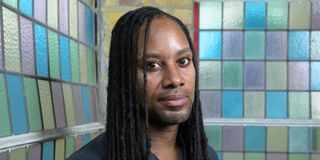
The late Professor Jason Arday. PHOTO | COURTESY
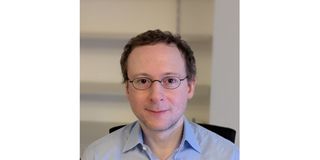
The controversy intensified after Cofnas published a post on his Substack page in July saying he had been contacted by a source at Cambridge about allegations concerning Arday’s doctoral thesis.
Cofnas said he had run Arday’s thesis through plagiarism-detection software and identified passages he claimed were copied with minimal editing. The allegations subsequently received widespread media coverage.
The Guardian reported that more than 100 passages in Arday’s PhD thesis had been identified as similar to another thesis by Paula Zwozdiak-Myers, a former Brunel University student. However, Arday maintained that several investigations had cleared him of plagiarism or academic misconduct.
Cambridge initially defended Arday, describing the allegations as a “vile smear campaign to undermine his credibility”. The university later said it had received new information and announced a fresh investigation into his qualifications and career. That investigation was subsequently paused following his death.
Arday was found dead at his home in Battersea, south London, on August 14, days after resigning from Cambridge. His family said he had faced a sustained campaign of abuse and misinformation for more than three years and that the pressure had become overwhelming.
His death has prompted widespread debate over academic standards, racism, media scrutiny and the treatment of Black academics in Britain. Thousands of people attended a vigil in central London on Monday to remember him, with speakers criticising the media coverage surrounding the controversy.
Cofnas has previously faced controversy over his views on race. He was associated with the University of Cambridge’s Emmanuel College before the college ended its association with him in 2024 following concerns over blog posts about race and academic merit.
A subsequent Cambridge investigation concluded that, although his views were considered offensive by many, they did not amount to discrimination or harassment under the university’s rules, according to the Guardian. Cofnas has said he is not racist and is involved in a legal dispute with Emmanuel College.
Cofnas is currently a postdoctoral researcher in philosophy and moral sciences at Ghent University.
Ghent University said its decision to suspend him was precautionary and did not amount to a finding of misconduct.
The institution said it had been “shocked” by Arday’s death and extended its condolences to his family, friends, colleagues and students, while stressing that it would allow its disciplinary process to take its course without prejudging the outcome.