Iran seeks ‘fair’ deal as Trump pauses naval mission to reopen strait

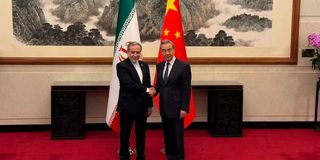
Iranian Foreign Minister Abbas Araqchi meets Chinese Foreign Minister Wang Yi. PHOTO | REUTERS

Iran said on Wednesday it would accept a peace deal only if it was “fair”, after US President Donald Trump paused a three-day-old naval mission aimed at reopening the Strait of Hormuz, a move that has unsettled the fragile, month-old ceasefire.

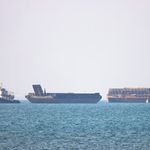
Trump’s “Project Freedom”, announced on Sunday, has failed to restore significant shipping traffic through the waterway, while triggering a new wave of Iranian strikes on vessels in the strait and targets in neighbouring countries.

In the latest incident, a French shipping company said on Wednesday that one of its container ships had been struck in the strait a day earlier, with injured crew members evacuated.

In announcing the pause, Trump cited “great progress” in negotiations with Iran, without providing further details.

“We have mutually agreed that, while the blockade will remain in full force, Project Freedom (the movement of ships through the Strait of Hormuz) will be paused briefly to assess whether the agreement can be finalised and signed,” Trump wrote on social media.

He had launched the mission to escort ships after signalling he might reject Iran’s latest proposal, which suggests postponing nuclear talks until the war ends and the shipping dispute is resolved.

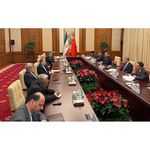
Speaking during a visit to China, Iran’s Foreign Minister Abbas Araqchi did not directly address Trump’s remarks but said Tehran was holding out for “a fair and comprehensive agreement”.

Araqchi added in a social media post that he had spoken by phone with Saudi Arabia’s foreign minister, stressing the need for regional diplomacy to prevent further escalation.

Iran has effectively restricted the strait to its own shipping since the United States and Israel launched the war on February 28. In April, Washington imposed a separate blockade on Iranian ports.

The US naval mission failed to convince commercial vessels that transit was safe, while provoking further Iranian attacks. Tehran said it had expanded its operational zone to include parts of the United Arab Emirates coastline on the opposite side of the strait.

During the mission, Iranian drones and missiles struck several vessels in and around the waterway, including a South Korean cargo ship that reported an explosion in its engine room.

Iran also targeted sites in the UAE, including a major oil export facility located beyond the strait, which had allowed limited shipments without passing through the chokepoint.

The US Navy said it destroyed several small Iranian boats on Monday.

Following Trump’s announcement, Brent crude futures fell about 1.7 percent to below 108 dollars a barrel.

The White House did not immediately respond to requests for comment on the progress of negotiations or the expected duration of the pause. Throughout the conflict, Trump has repeatedly cited progress in talks without offering evidence while adjusting military strategy.

US Secretary of State Marco Rubio and other senior officials said earlier that Iran must not be allowed to control traffic through the strait.

After a ceasefire halted the US-Israeli bombing campaign on April 8, Washington and Tehran held one round of peace talks in Pakistan. Attempts to organise a second round have stalled, with both sides accusing each other of making unreasonable demands.

US-Israeli strikes during the war killed thousands in Iran, while thousands more were killed and about one million displaced in Lebanon, where Israel targeted Iran-backed Hezbollah fighters.

Dozens of people have also been killed in the Gulf and Israel in retaliatory Iranian attacks.

Trump has repeatedly claimed the war severely weakened Iran’s military, telling reporters it had been reduced to using “peashooters”, while insisting Tehran is seeking peace despite continued tensions.

The conflict is increasing pressure on Trump’s administration ahead of the November midterm elections, as rising fuel prices weigh on voters.