The incident comes amid renewed US sanctions and maritime enforcement targeting Venezuela’s oil exports
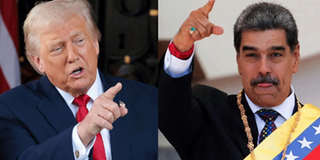
Venezuela’s vast oil reserves have once again moved to the centre of global attention following a dramatic escalation in tensions between Caracas and Washington, with US officials claiming that Venezuelan President Nicolás Maduro was captured during a military operation, an assertion the Venezuelan government has not confirmed and has strongly disputed.
The incident comes amid renewed US sanctions and maritime enforcement targeting Venezuela’s oil exports, underscoring the strategic importance of the country’s energy resources to Washington’s geopolitical and economic interests.
Venezuela holds the world’s largest proven oil reserves, estimated at more than 300 billion barrels—surpassing those of Saudi Arabia. Much of this heavy crude is particularly well-suited to refineries along the US Gulf Coast, many of which were originally configured to process Venezuelan oil before sanctions disrupted supplies.
Speaking shortly before the reported operation, Maduro accused the United States of seeking regime change in order to gain control of Venezuela’s natural wealth, describing US policy as “diplomacy of barbarism.”
“They want regime change to install a puppet government that would surrender our sovereignty, our constitution and our oil,” Maduro said.
US officials argue that sanctions and enforcement actions are aimed at curbing corruption, criminal networks and alleged drug trafficking linked to the Venezuelan state, claims Caracas has consistently denied. However, analysts note that control over energy flows remains a central factor.
With global oil markets under pressure from conflicts in Eastern Europe and the Middle East, Venezuela’s crude represents a potential stabilising supply, provided political control and sanctions align with US interests. Since 2022, Washington has selectively eased restrictions on some Venezuelan oil transactions, signalling the strategic value it places on access to those reserves.
Competing narratives over last night’s events
US authorities have framed the reported operation as part of a broader effort to dismantle what they describe as a criminal state apparatus. Venezuelan officials, however, have rejected the narrative, insisting that the actions amount to aggression aimed at seizing national resources.
Venezuela’s ambassador to the United Nations, Samuel Moncada, said Washington’s actions had little to do with security.
“This is not about drugs or democracy,” he said. “It is about oil, minerals and land.”
Caracas has maintained that oil exports will continue regardless of sanctions or military pressure, arguing that international law protects freedom of navigation and trade.
“This is not the era of piracy,” Maduro said, invoking Venezuela’s constitution and the legacy of independence leader Simón Bolívar.
Regional and global implications
The situation has drawn international concern, with several countries warning that escalation could destabilise the wider region. Russia’s permanent representative to the UN, Vasily Nebenzia, described US actions as “an act of aggression” and cautioned that continued pressure could have “catastrophic consequences.”
For Washington, Venezuela represents a rare convergence of energy security, geopolitical influence, and regional dominance. For Caracas, oil remains both its greatest asset and its greatest vulnerability.
As conflicting claims emerge over last night’s events, one reality remains unchanged: Venezuela’s oil—its scale, location, and strategic value—continues to shape US policy, fuel confrontation, and drive one of the most enduring standoffs in the Western Hemisphere.