Arusha. East African civil society organisations have called on incoming East African Community Secretary General Stephen Patrick Mbundi to prioritise implementation of regional commitments, warning that delays risk undermining public confidence in the bloc.
The call was made during the EAC Regional Dialogue Convening 2026, held from April 23 to 24 in Arusha, where stakeholders adopted a joint communiqué outlining key reform priorities.
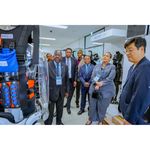
The meeting, organised under the leadership of the East Africa Law Society, brought together representatives from business, youth, labour and civil society groups. Participants also acknowledged the outgoing Secretary General, Veronica Mueni Nduva.
Central to the discussions were delays in implementing directives from the EAC Heads of State Summit. Some initiatives initially scheduled for completion in 2024 have been pushed to 2031, raising concerns over accountability.
Stakeholders also pointed to challenges linked to the bloc’s expansion, noting that legal and institutional frameworks have not kept pace, leading to uneven compliance among partner states.
Non-tariff barriers, including differing transit licensing systems, were cited as ongoing obstacles to cross-border trade, particularly affecting small-scale traders and transporters.
Participants emphasised that implementation, rather than policy formulation, remains the region’s main challenge.
The communiqué proposes reforms including amendments to the EAC Treaty, stronger stakeholder engagement mechanisms and faster accreditation of non-state actors. It also calls for regular consultations between the Secretary General and stakeholders.
On trade, stakeholders recommended measures such as harmonised digital permit systems, improved border infrastructure and investment in cold-chain logistics to support agricultural trade.
They further urged action to address case backlogs at the East African Court of Justice and called for consideration of an expanded mandate.
The dialogue also highlighted the need to advance youth-focused initiatives and regional industrial development.
Stakeholders said they remain ready to support the bloc’s long-term goals, including deeper economic and political integration, but stressed that progress will depend on delivering measurable results.