African anti-corruption chiefs gather in Arusha to tackle $100 billion losses
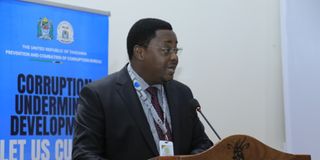
Tanzania’s anti-corruption chief, Crispin Francis Chalamila, speaks at the 13th Executive Committee Meeting of the Association of African Anti-Corruption Authorities (AAACA) in Arusha. PHOTO | COURTESY
Arusha. Top anti-corruption officials from across Africa are meeting in Arusha for a two-day gathering focused on closing gaps that continue to cost the continent an estimated more than $100 billion annually through corruption and illicit financial flows.
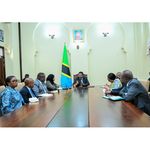
The meeting of the Executive Committee of the Association of African Anti-Corruption Authorities (AAACA), held on Monday, April 13 and 14, 2026, brings together heads of anti-corruption bureaus from nine member countries to work on improving continental cooperation in fighting corruption.
The session comes at a time when several global reports show Africa loses more than $100 billion every year, with some estimates suggesting the figure could be higher due to hidden financial flows and weak enforcement systems.
Speaking at the meeting, Tanzania’s Prevention and Combating of Corruption Bureau (PCCB) Director General Crispin Chalamila said the committee is reviewing progress made on previous resolutions while also preparing new agenda items for the next General Assembly expected in Kenya, which will bring together representatives from 48 African countries.
Discussions are focused on strengthening cross-border cooperation in investigations, improving asset recovery systems, and enhancing legal tools for tracking illicit financial flows.
Delegates attending the meeting are from Egypt, Mali, Cameroon, the Democratic Republic of Congo, Algeria, Sierra Leone, Burundi, Zimbabwe, and host Tanzania.
The meeting is expected to conclude with commitments to improve transparency, accountability, and cooperation in tracing and recovering stolen public funds across the continent.
Opening the session, Tanzania’s Minister for Public Service Management and Good Governance, Mr Ridhiwani Kikwete, stressed the need to use modern technology to prevent and detect corruption.
He said Tanzania has made progress by digitising many public services, reducing face-to-face interactions and, in turn, opportunities for bribery.
“Most services are now online, which helps reduce direct contact where corruption can occur. The government is also improving reporting systems so people can safely report corruption,” he said.
AAACA President Hisham El Raqaybi said fighting corruption in Africa requires teamwork, strong political will, and enhanced cooperation among countries.
He warned that corruption continues to drain resources that should be directed to health, education, and infrastructure.
“This is a shared fight. No single country can win it alone. We need to work together as Africans,” he said.