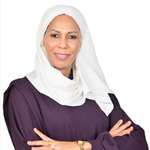
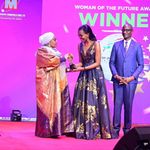
Bronxi champions female empowerment through initiatives like the all-female band Urban Queens and The Makeover TV Show
With more than 13 years in East Africa’s entertainment industry and a background in economics from Ardhi University, Alma Bronxi has built a reputation not only as a creative executive but as a systems thinker operating in a sector that often resists structure.
Her journey reflects an intentional fusion of economic discipline and artistic vision, a combination that has shaped her leadership across music, media and women's empowerment platforms.
For Alma, the shift from economics into entertainment was never a contradiction. It was an alignment.
“Entertainment was never a departure from economics for me, it was an application of it,” she says. “While studying economics, I became deeply interested in how value is created, distributed, and sustained. I realised early on that the creative industry in East Africa was rich in talent but poor in structure. My passion for entertainment, combined with my economics training, pushed me to step into leadership and build systems that could turn creativity into sustainable businesses.”
That early realisation would later define her entrepreneurial path. Her resilience was tested in 2017 when she was retrenched from the banking sector. The moment could have redirected her into a safer corporate path. Instead, it reinforced her belief in the creative industry.
“One of the biggest risks I took was choosing to return to entertainment after being retrenched from the banking sector in 2017 with no capital, no safety net, just belief and relationships,” she recalls. “Another was organising events and managing artistes when I was still very young and inexperienced. Those risks taught me resilience, adaptability, and the courage to trust my instincts even when the outcome was uncertain.”
The decision to rebuild without guarantees became a defining chapter in her career. It sharpened her discipline and clarified her purpose. She knew that if she was to remain in entertainment, it had to be on terms that emphasised sustainability over spectacle.
Her business ambition came first, but advocacy soon became inseparable from her work.
“The business ambition came first, but advocacy quickly followed,” she explains. “As I grew in business, I became more aware of how many women were excluded, overlooked, or undervalued. Empowerment became inseparable from my work because I realised success meant nothing if it didn’t create space for others, especially women, to rise with me and get the recognition they deserve.”
That conviction informed the founding of Bronxi Entertainment, a company designed to professionalise artiste management and connect East African creatives to global platforms. Miss Bronxi saw a structural gap that demanded urgent attention.
“The biggest gap was structure,” she says. “Artists had talent but lacked access to professional management, marketing, data, and global networks. There was also a gap in representation: few companies truly advocated for creatives’ long-term growth. Bronxi was created to bridge local talent with global standards while protecting artists’ interests.”
Through Bronxi Entertainment, she has supported, managed or promoted more than 30 artistes. Over time, she has identified patterns that distinguish those who thrive from those who struggle.
“Success comes down to discipline, consistency, and willingness to learn. Talent alone is never enough to grow an artist,” she notes. “Artistes who fail often resist structure, financial planning, or teamwork. Those who succeed understand that music is both art and business.”
Running a creative company in East Africa presents systemic challenges that go beyond individual talent. Funding remains limited, data fragmented and policies uneven.
“Navigating limited infrastructure while competing in a global digital economy has been the most challenging part,” she says. “Access to funding, clear policies, and reliable data is still a challenge. Additionally, managing expectations in an industry where success is often romanticised has been demanding.”
Beyond management, Alma has prioritised representation. She created Urban Queens, described as East Africa’s first all-female band, to challenge industry norms and provide visible examples of women leading in music.
“Because representation truly matters,” she explains. “I wanted young girls to see women confidently owning the stage, their voices, and their careers. Urban Queens was created to challenge long-standing norms and demonstrate that women can collaborate, lead, and succeed together in a male-dominated industry,”
Further adding that the platform was designed to build confidence in these young women and remind them, “that they can be just as successful as anyone they admire by valuing, nurturing, and never taking for granted the talents God has blessed them with.”
Her influence extends into global markets through her role as East Africa Territory Manager at EMPIRE, where she works behind the scenes to position local talent competitively.
“Behind the scenes, the role involves in-depth market analysis, artist development strategy, deal structuring, performance and data analysis, and cultural translation between local creatives and global systems,” she explains. “My responsibility is to ensure East African talent is positioned competitively on the international stage while remaining authentic to their identity, sound, and cultural roots.”
On the question of global readiness, she says, “Creatively, they are ready,” she says of East African artistes.
Adding, “Structurally, there’s work to do, especially in branding, performance standards, publishing awareness, and business education. Global success requires consistency and professionalism.”
Her regional experience across Tanzania, Kenya, Uganda and Rwanda has given her insight into market distinctions.
“Tanzania thrives in organic fan engagement. Kenya excels in media and digital innovation. Uganda has a strong live performance culture. Rwanda is strategic and policy-driven. Understanding these differences is key to regional growth.”
Beyond music, Alma also created The Makeover TV Show, which aired 24 episodes on DStv and spotlighted emerging makeup artists. The platform carried a deeper message about economic empowerment.
“The platform provided visibility, validation, and real opportunity. Many of the participants gained new clients, increased confidence, and professional recognition beyond their immediate communities,” says Miss Bronzi
The Makeover TV Show demonstrated that beauty is not just an art but a viable business.
“It showed young women that they can transform their lives through the talent they already possess by turning skill into sustainable income and long-term careers.”
Representation on mainstream platforms, she argues, is transformative.
“Because visibility builds belief,” she says. “When women see themselves represented on mainstream platforms, they begin to understand that their dreams are possible and their work has value. That recognition builds confidence, encourages persistence, and empowers them to keep going even in spaces where they have historically been overlooked.”
Her economics training continues to shape her executive decisions.
“It allows me to focus on value, long-term returns, and sustainability rather than short-term gains,” she explains. “Every deal must make sense beyond hype.”
Financial literacy is one lesson she insists every young creative person must learn.
“Separate income from identity. Learn to budget, save, and invest. Money should work for you, not control you.”
When asked about the moment she most needed to believe in herself, she returns to 2017.
“After losing my banking job,” she says. “That moment deeply tested my faith in myself and my future. Choosing to rebuild from nothing with no guarantees was the ultimate act of belief. Looking back today, I am extremely proud of what I was able to achieve through perseverance, faith, and unwavering belief in my dreams.”
For Miss Bronxi, being a Rising Woman is not a title but a process. It means evolving, lifting others, and staying grounded while growing. Rising is continuous; it doesn’t end with success. She says, she hopes, her legacy will extend beyond individual projects or contracts.
“I hope to leave systems that outlive me, stronger structures, empowered women, globally competitive artists, and an industry that values sustainability over shortcuts.”
In an ecosystem abundant with talent but still building its foundations, Alma Bronxi’s work signals a decisive shift. She is not only participating in East Africa’s creative economy. She is engineering it for endurance.
In a region overflowing with creative talent, Alma Bronxi is focused on building what lasts.