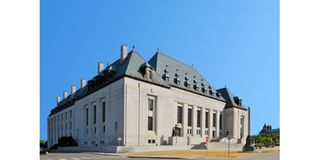
On Tuesday, April 7, 2026, a panel of judges upheld a lower court ruling that the case should not proceed in Ontario, and that Tanzania is the more appropriate jurisdiction
Dar es Salaam. Canada’s Court of Appeal for Ontario has dismissed a lawsuit against Barrick’s North Mara Gold Mine, drawing mixed reactions from the mining firm and human rights advocates.
The case arose from allegations of deaths and assaults in and around the North Mara Gold Mine in Tanzania.
On Tuesday, April 7, 2026, a panel of judges upheld a lower court ruling that the case should not proceed in Ontario, finding that Tanzania is the more appropriate jurisdiction for the matter.
The claim, filed in Ontario in November 2022, centres on alleged excessive use of force by police providing security at the mine in northern Tanzania.
According to court documents, the area is inhabited largely by the Kuria community, many of whom have historically depended on small-scale mining. The claim alleges that attempts by local residents to access waste rock for subsistence have been met with disproportionate force, resulting in more than 70 deaths over the past two decades.
In a statement issued yesterday Barrick welcomed the ruling, noting that it affirms an earlier decision by the Ontario Superior Court that Tanzania is the proper forum for the case.
The company said evidence presented in court showed that the Tanzania Police Force operates independently of Barrick. It added that it maintains a zero-tolerance policy on human rights abuses involving employees, contractors or third parties.
Barrick president and chief executive officer, Mark Hill, said the company values its operations in Tanzania.
“Barrick is proud of our work in Tanzania, which we undertake in close partnership with government and host communities. Our operations create jobs, support economic growth and contribute to improving livelihoods,” he said.
However, Amnesty International Canada expressed concern over the ruling. In a statement published on April 7, the organisation said it had participated in the case as a third-party intervenor.
It argued that, in cases involving alleged human rights abuses linked to Canadian companies abroad, courts should consider access to justice and the right to an effective remedy when determining jurisdiction.
“Regardless of today’s decision, international law remains clear: people have the right to an effective remedy when their rights are violated,” said Julia Sande, the organisation’s strategic litigation campaigner.
She added that Canadian courts have a role in ensuring companies respect human rights beyond their borders, particularly where victims may face barriers to justice in their home countries.
Amnesty International Canada’s corporate accountability campaigner, Tara Scurr, said the organisation was disappointed with the outcome.
“We are disappointed by today’s ruling and what it means for the families’ pursuit of justice. Cases like this highlight the challenges victims face in holding powerful corporations accountable,” she said.