Arusha. The Prevention and Combating of Corruption Bureau (PCCB) has raised concerns over the implementation of development projects worth nearly Sh470 billion in Arusha Region after identifying shortcomings in 109 of the 164 projects it monitored over the past three financial years.
The anti-corruption agency said the findings included signs of resource leakages, delays in project implementation, limited stakeholder participation, and the risk of projects failing to deliver value for money.
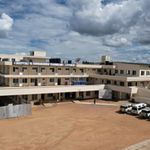
The projects, valued at Sh469.92 billion, were monitored between the 2023/24 and 2025/26 financial years through the Public Expenditure Tracking Survey (PETS), which tracks how public resources are utilised in development programmes and projects.
The exercise resulted in 452 recommendations being issued to institutions and stakeholders responsible for implementing and supervising the projects.
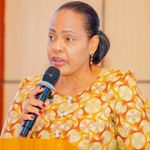
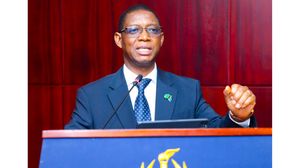
Speaking on Monday, August 10, 2026, during a stakeholders’ workshop on the management and implementation of development programmes and projects in Arusha, the PCCB regional head, Ms Zawadi Ngailo, said the agency’s objective was not simply to expose weaknesses but to ensure they were addressed.
“Over the past three years, our office has tracked the use of public resources in 164 development programmes and projects valued at Sh469.92 billion. We identified shortcomings and issued recommendations for improvement,” she said.
Ms Ngailo said some of the shortcomings identified could undermine the intended benefits of development projects if left unaddressed.
“Our goal is not to see these shortcomings continue, but to see corrective action taken. That is why we have brought together stakeholders responsible for managing and implementing development projects to seek joint solutions,” she said.
She listed the challenges as including signs of resource leakage, project delays, inadequate stakeholder participation, and the risk of failure to achieve value for money.
She also raised concern over instances in which some officials entrusted with project management allegedly used their positions to pursue personal interests.
The stakeholders agreed on four measures aimed at strengthening project implementation and oversight.
Among them was continued action against stakeholders who violate project implementation procedures, while the Occupational Safety and Health Authority (Osha) and PCCB were urged to continue educating those involved in project implementation.
The stakeholders also called for greater cooperation between PCCB and other institutions in monitoring and auditing development projects.
Ms Ngailo said the measures were expected to strengthen accountability and improve the delivery of public projects.
“We expect these strategies to help ensure development programmes and projects are implemented without resource leakage, delays, limited stakeholder participation or the risk of failing to achieve value for money,” she said.
She urged all stakeholders responsible for development projects to recognise that protecting public resources and ensuring projects achieve their intended objectives was a shared responsibility.
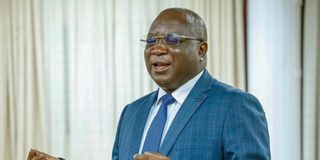
Opening the workshop, Arusha Regional Commissioner, Mr Amos Makalla, directed public servants and professionals involved in development projects to perform their duties with integrity, professionalism, and strict adherence to laws and regulations.
He warned officials against accepting improper offers from people they serve, saying such practices could compromise their independence and affect their ability to make fair decisions.
“These offers compromise your independence in carrying out your responsibilities, particularly when it comes to ensuring fairness without favouritism,” said Mr Makalla.
He urged public servants to reject offers that could undermine their performance and integrity.
Mr Makalla also called on government inspectors to coordinate their activities and, where possible, conduct joint inspections to reduce disruptions to investors and businesses.
He said some companies, including factories, were subjected to inspections by different government institutions at different times, creating unnecessary interruptions to their operations.
“You may find that within a single week, some institutions and companies, including factories, face considerable disruption. Today Osha comes to inspect, then TRA (Tanzania Revenue Authority), followed by the local authority or environmental experts,” he said.
“This causes inconvenience. There should be a coordinated system and, where possible, you should organise yourselves to conduct inspections jointly and share information,” recommended the RC.
He also urged stakeholders to strengthen cooperation with PCCB and share information that could help ensure development projects achieve value for money.
“From now on, I do not want to hear even a hint of corruption in ongoing projects,” he said.
The Tanzania Rural and Urban Roads Agency (Tarura) regional manager, Eng Nicholas Francis, said the agency has identified the assignment of multiple projects to the same contractors at the same time as one of the key challenges affecting implementation.
He said giving contractors several projects simultaneously could overstretch their capacity and affect their ability to complete works within the required timeframe and to the expected standards.
Mr Francis said the situation required stronger project supervision and coordination to ensure contractors delivered projects on time and according to the required specifications.
Register to begin your journey to our premium contentSubscribe for full access to premium content