Morogoro. Domestic workers have been urged to leverage the 'e-Utatuzi' digital platform, which enables them to submit labour disputes remotely at any time without visiting the Commission for Mediation and Arbitration (CMA) offices.
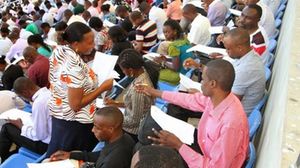
The CMA made the call here during the opening of a one-day training session for domestic workers.
The e-Utatuzi platform addresses domestic workers' challenges by allowing them to file and track labour rights complaints, such as unfair termination and unpaid wages, through online procedures anytime, eliminating the need to physically travel to CMA offices or deal with congested paper files.
Speaking during the event, CMA director Usekelege Mpulla said the digital system directly tackles several key hurdles faced by domestic workers.
“Domestic workers often have highly restrictive working hours and limited mobility. The system allows them, or their advocates, to submit complaints digitally from anywhere, avoiding the logistical difficulty of taking time off work to visit physical offices,” he said.
He said that for workers facing isolation or employer intimidation, the online platform offers a more private, independent channel to seek justice without escalating immediate household tensions.
“By shifting to an online system, the CMA reduces procedural delays, cuts down on case backlogs, and enables workers to track the progress of their mediation directly,” he said.
He said the CMA has specifically expanded its training and institutional capacity to include domestic work, ensuring these cases are recognised with the same legal priority as other formal sectors, recognising their value and resisting attempts to deny or violate their workplace rights, as national laws protect them equally alongside other employees.
During the training organised by the International Labour Organisation (ILO) in collaboration with the Conservation, Hotels, Domestic and Allied Workers Union (Chodawu), Mr Mpulla said domestic workers should not view themselves as vulnerable.
He emphasised that the CMA prioritises its cases due to the unique nature of their working conditions.
“Do not consider yourselves vulnerable. The law recognises and protects you like all other workers,” he remarked.
“The CMA receives disputes from all employees without discrimination, and because of your unique circumstances, we give you priority to ensure you get justice on time,” added Mr Mpulla.
He noted that while domestic workers often face challenges, including being denied basic entitlements such as salaries, rest periods, and decent working conditions, the CMA is committed to upholding their legal rights.
Tanzania, he added, continues to strengthen its mechanisms for protecting workers’ rights by adhering to international labour standards on dispute resolution.
The Morogoro Regional Peer Educator and chairperson of domestic workers, Ms Desdelia Haule, thanked the ILO for training 61 domestic workers from various parts of the region, pledging that they would cascade the knowledge acquired.
She noted that many domestic workers were previously unaware of their basic workplace rights and responsibilities, as well as those of their employers.
“We will use this opportunity to educate other domestic workers about employment and labour relations laws,” said Ms Haule.
One of the participants, Ms Salama Rashid, said the training opened their eyes to the necessity of formal contracts.
“We have been taught about the importance of employment contracts, rest periods, sick leave, and other basic rights. We are leaving here with a better understanding,” she said.
Register to begin your journey to our premium contentSubscribe for full access to premium content