Josephine Christopher is a senior business journalist for The Citizen and Mwananchi newspapers
Mwananchi Communications Limitted
Dar es Salaam. Tanzania’s multi-billion-dollar Kabanga Nickel Project has cleared a critical regulatory milestone following a high-level briefing to President Samia Suluhu Hassan, signaling a formal shift toward the implementation phase of one of Africa’s largest untapped battery metal deposits.
The state-directed project, a venture between Tanzania and Lifezone Metals Ltd is positioned to establish East Africa as a primary node in the global electric vehicle (EV) supply chain.
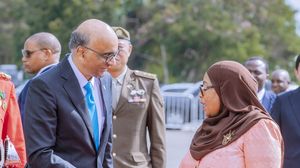
According to the statement shared by the State House on June 9, 2026, Executive Chairman Keith Liddell and Treasury Registrar Nehemiah Mchechu delivered the updated development framework to the President a day prior, indicating that outstanding structural issues between institutional investors and the state have been resolved.
According to Mr Liddell, both sides have reached a significant common understanding on the project structure, particularly on how beneficiation can be undertaken in Tanzania for the benefit of the country and all stakeholders.
“The mine is coming. The beneficiation is coming. Be assured that we are working closely with Team Tanzania to deliver this project as quickly as possible,” he said.
According to the project’s July 2025 feasibility study, the project requires about $942 million in pre-production capital expenditure, rising to $2.49 billion in total life-of-mine capital costs, including sustaining and closure investments.
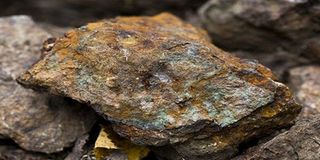
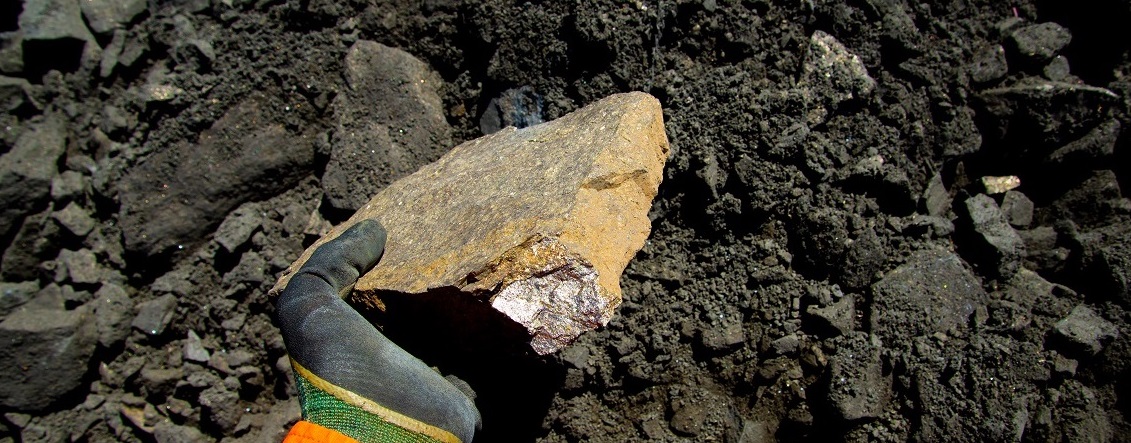
The project is designed as a high-grade underground operation producing nickel, copper, and cobalt critical minerals used in electric vehicle batteries and global clean energy supply chains.
At full capacity, it is expected to process 3.4 million tonnes of ore annually, yielding substantial outputs over an 18-year mine life.
Importantly for fiscal planning, the feasibility model projects strong state returns through multiple channels. Tanzania is expected to benefit from a combination of its 16 percent equity stake, royalties, taxes, and levies estimated at several billion dollars over the project life.
From a cost perspective, Kabanga is also positioned as a low-cost global producer, with all-in sustaining costs estimated at around $3.36 per pound of nickel (net of by-product credits), placing it in the first quartile of the global nickel cost curve
Treasury Registrar Mr Nehemiah Mchechu described Kabanga as a transformative project with the potential to contribute significantly to Tanzania’s industrialisation, job creation, and economic growth.
He said the Government’s objective has consistently been to ensure that beneficiation takes place in Tanzania so that the country derives maximum value from its mineral resources.
Mr Mchechu acknowledged that negotiations on projects of this scale are complex and require time, but said recent discussions had helped resolve several outstanding issues and provided a practical way forward acceptable to both parties.
“We have developed a structure that both the Government and investors are comfortable with. We are now working to finalise the remaining elements so that implementation can begin,” he said.
He added that while preparations on the mining side are largely advanced, efforts are now focused on finalising arrangements for the refinery and beneficiation component of the project.
“These efforts are fully aligned with the vision of Her Excellency President Samia Suluhu Hassan, who is keen to see this project move from negotiations to implementation,” he said.
Mr Mchechu noted that the project is expected to generate significant benefits through local content participation, taxes, dividends, technology transfer, and industrial development.
“This is a game-changing project. Together with other strategic investments, it has the potential to accelerate Tanzania’s industrial transformation and long-term development goals,” he said.
Register to begin your journey to our premium contentSubscribe for full access to premium content