Arusha. Media stakeholders have tabled an ambitious 15-point reform agenda to the government, calling for sweeping constitutional, legal and economic changes aimed at safeguarding press freedom, strengthening journalists’ rights and securing the future of Tanzania’s media industry.
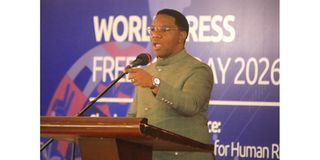
The resolutions were adopted during the 33rd World Press Freedom Day national commemorations held in Arusha, bringing together journalists, policymakers, civil society leaders and international media actors to reflect on the state of press freedom and the future of journalism in the country.
At the core of the proposals is a demand for amendments to the Constitution, media laws and national policies to guarantee stronger protection of freedom of expression, media independence and the safety of journalists.
Stakeholders said that while progress has been made in recent years, Tanzania’s legal and regulatory framework still requires urgent reforms to enable the media to operate freely and effectively in a democratic society.
They also called on security organs and state authorities to respect journalists’ rights in the course of their duties, warning that intimidation, harassment and unnecessary restrictions continue to foster fear and self-censorship within the profession.
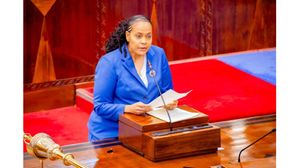
Presenting the resolutions, Tech and Media Convergency (TMC) chief executive officer Asha Abinallah said the proposals were the outcome of extensive consultations, expert forums and dialogues involving both local and international stakeholders.
“These resolutions reflect the collective voice of the media sector and are intended to strengthen a free, safe and democratic environment where journalists can operate without fear, threats or undue restrictions,” she said.
A key pillar of the agenda focuses on easing financial pressures on media institutions, with stakeholders urging the government to introduce tax exemptions on media equipment, broadcasting technologies, digital infrastructure and content production tools.
They said such reforms would spur innovation, enhance regional competitiveness and accelerate growth in Tanzania’s media economy.
Stakeholders also called for a comprehensive review of taxes, levies and fees imposed on the sector, arguing that high operational costs continue to undermine the sustainability and independence of media houses.
They further urged the government to expedite payment of outstanding debts owed by public institutions to media organisations, noting that delayed payments have weakened many outlets financially.
In addition, stakeholders called for the immediate operationalisation of the Media Fund, as provided for under the Media Services Act, 2016, to support journalists and advance sector development.
“Implementation of the Media Fund is no longer optional; it is essential for strengthening the profession and protecting journalists,” Ms Abinallah said.
The reform agenda also places strong emphasis on transparency and access to information, with stakeholders urging the government to enhance openness across public institutions and ensure timely access to information.
They further called on regulatory bodies, including the Tanzania Communications Regulatory Authority (TCRA) and the Information Services Department, to enforce laws fairly, transparently and professionally.
Recognising the evolving digital landscape, stakeholders advocated for strategic government collaboration with domestic and international partners to strengthen Kiswahili representation on digital platforms and expand online revenue opportunities for Tanzanian media.
They also proposed the development of national policies to regulate the ethical and rights-based use of artificial intelligence in the media sector, warning that emerging technologies must not undermine public rights or journalistic standards.
To better protect journalists facing threats, abuse or legal challenges, stakeholders called for stronger legal, financial and social support systems, alongside fair compensation for victims of media rights violations.
Speaking on behalf of Prime Minister Mwigulu Nchemba, Minister for Information, Culture, Arts and Sports Paul Makonda welcomed the recommendations and directed journalists to form a special committee to work with his ministry to ensure implementation of the resolutions before next year.
Mr Makonda acknowledged concerns over limited access to public information and said government institutions must become more transparent and responsive to journalists.
“The government has a duty to ensure journalists receive accurate information on time to prevent misinformation. Public institutions must stop frustrating journalists and instead open their doors to the media,” he said.
He also warned institutions accused of withholding public information, saying action would be taken against those undermining transparency.
Beyond legal and policy reforms, Mr Makonda challenged journalists to pursue economic empowerment and innovation, noting that financial insecurity remains a major threat to editorial independence.
He said poor working conditions and low incomes leave journalists vulnerable to political and commercial influence, ultimately undermining the credibility and integrity of the profession.