Dar es Salaam. Leaders across political and institutional spheres are being urged to avoid surrounding themselves with bootlickers who offer only praise, even when leaders are clearly in the wrong.
Such flattery can mislead, weaken decision-making, and ultimately derail progress.
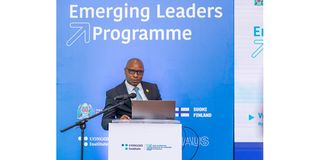
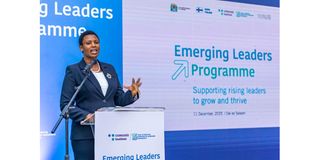
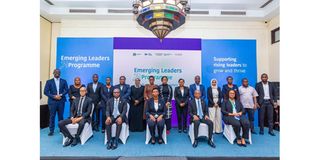
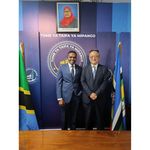
This was said yesterday by Deputy Minister in the President’s Office Public Service Management and Good Governance, Ms Regina Qwaray, during the launch of the Emerging Leaders Programme in Dar es Salaam.
"True leadership requires the courage to listen to uncomfortable truths. While many political leaders prefer hearing only what gratifies them, real leaders welcome honest feedback, even when it challenges their assumptions. Bootlickers may bring comfort, but they do not bring growth," she said.
She stressed that in the 21st century, leaders must embrace continuous learning. "To meet our responsibilities and contribute meaningfully to national development, we must work diligently and patriotically, aligning our efforts with the nation’s priorities and safeguarding its interests. Building a sense of patriotism in our youth is essential for long-term progress"
Further she said effective leadership also begins with self-awareness. Recognize your strengths, understand your weaknesses, and use that understanding to navigate institutional environments wisely.
She said leaders must regularly evaluate their actions, identify gaps in their performance, and develop a personal growth plan to address them.
"Change is constant. Leaders who cling to the mindset of the 1990s while leading followers in the 2000s will inevitably fall behind. Growth, adaptability, and humility are not optional they are the standards of modern leadership."
In another development, she underscored that Tanzania’s ambition to become a one-trillion-dollar economy by 2050 will only be achieved through effective planning, strong strategies, and a capable, motivated workforce.
Speaking at the event, the Deputy Minister emphasized that leadership transformation is at the heart of the nation’s development journey, especially as Tanzania continues to implement major frameworks including the SDGs 2030, Agenda 2063, and Tanzania Development Vision 2050. She noted that preparing the next generation of leaders is not only a national responsibility but a necessity in today’s rapidly changing world.
She said the Emerging Leaders Training Programme developed in partnership with Finland, HAUS, and the Uongozi Institute was lauded as a crucial initiative for building leadership capacity in Tanzania and across Africa.
The Deputy Minister thanked the partners for contributing to a programme that will strengthen the nation’s ability to deliver quality services and meet citizens’ expectations. "I encourage participants to embrace three key practices to recognize your strengths and weaknesses for self-assessment is essential for effective leadership development, develop a personal development Plan because leaders must dedicate time to improving their areas of weakness, using tools such as coaching and peer-coaching." She called on them to commit to continuous learning citing futurist Alvin Toffler, and urged leaders to learn, unlearn, and relearn to stay relevant and avoid becoming barriers to progress.
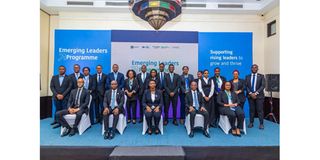
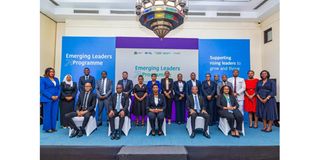
The Deputy Minister congratulated the selected participants, urging them to tackle challenges collaboratively and base their decisions on evidence and careful analysis.
She expressed confidence that the programme would inspire positive behavioural and leadership changes across the public service.
Uongozi Institute, Chief Executive Officer, Kadari Singo said the training develops a growth mindset that fosters resilience and flexibility in uncertainties.
"The training helps participants become great communicators who can inspire change, elps participants understand how organization of culture can hinder or promote success, helps participants build confidence and realize their full potential"