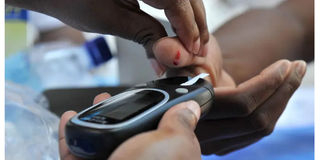
Dar es Salaam. A growing number of Tanzanians are living with diabetes without knowing their status, as health experts warn that delayed diagnosis, changing lifestyles and limited preventive measures are increasing the burden of the disease.
Experts say diabetes can be managed effectively when detected early, but many patients only seek medical attention after developing complications, increasing pressure on families and the healthcare system.
The warning comes as the International Diabetes Federation (IDF) Diabetes Atlas 11th edition (2025) projects a sharp rise in diabetes cases globally, with countries urged to strengthen prevention measures.
The report estimates that the number of people living with diabetes worldwide will increase from 588.7 million in 2024 to 852.5 million by 2050.
The rise is linked to lifestyle changes, including reduced physical activity, unhealthy diets, increasing obesity levels and higher consumption of energy-dense foods.
Africa is expected to record one of the fastest increases, with diabetes cases projected to rise from 24.6 million in 2024 to 59.5 million by 2050.
In Tanzania, the report estimates that 2.9 million adults aged between 20 and 79 years were living with diabetes in 2024. The number is projected to reach 7.6 million by 2050.
Tanzania Diabetes Association (TDA) and Tanzania NCD Alliance (TANCDA) secretary general Prof Kaushik Ramaiya said the increase is already being observed through hospitals, clinics and community screening programmes.
"We see that in our hospitals and clinics at all levels, even when community screening is done, the number of people with newly diagnosed diabetes is increasing because they are unaware of the disease," he said.
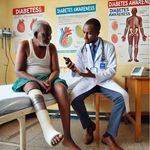
Prof Ramaiya said the challenge becomes more serious when patients arrive at health facilities after developing complications.
"Many people come to hospitals with complications as the first presentation," he said.
He identified poor diets, lack of physical activity, weight gain, alcohol consumption and smoking as some of the factors contributing to the rising burden.
Although family history also influences the risk of developing diabetes, Prof Ramaiya said lifestyle changes remain an important area where interventions can reduce cases.
He said the expected increase in patients would require stronger health systems because people living with diabetes need regular monitoring, medication and follow-up care.
Complications affecting the eyes, kidneys, heart, brain and feet often require specialised treatment and increase financial pressure on patients and their families.
Health experts say prevention can start with simple changes in daily routines.
Dr Magnus Msango said physical activity should become part of everyday life, adding that inactive people can begin with small steps.
"Many people think exercise must involve long hours in the gym, but what matters is creating consistency. Small activities done regularly can become bigger lifestyle changes," he said.
Fitness trainer Josephat Mushi said walking, climbing stairs, stretching, dancing and body-weight exercises can help people become more active without special equipment.
Nutritionist Saada Bakari said physical activity should be combined with healthier eating habits because both influence how the body manages energy.
"People should not look at exercise and nutrition as separate solutions. They support each other," she said.
Experts say reducing the diabetes burden requires shifting focus from treatment to prevention, with healthier food choices and regular physical activity playing a key role in lowering risks.
Register to begin your journey to our premium contentSubscribe for full access to premium content