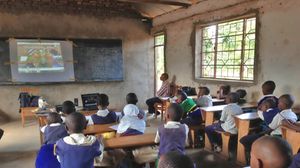
Dar es Salaam. A new international study has found that simple, low-cost and community-based parenting programmes can improve school readiness among young children, including those with disabilities.
The study, titled Feasibility and Acceptability of a Co-Designed Inclusive School Readiness Caregiver Programme in Bangladesh, Nepal and Tanzania, was conducted under the EN-REACH programme.
It assessed how caregivers can be supported to prepare children aged four to six for primary school.
In Tanzania, the research was implemented by experts from the Ifakara Health Institute (IHI) and Muhimbili University of Health and Allied Sciences (Muhas), with fieldwork conducted in Temeke District.
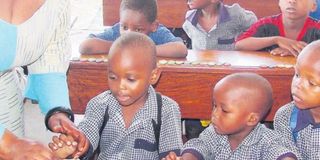
Lead researcher Prof Nahya Salim Masoud said children whose caregivers received training in positive parenting, play-based learning and inclusive practices showed improved confidence, independence and readiness for school.
She said children with disabilities also benefited when included in mainstream activities through simple adaptations such as step-by-step learning, visual aids, games and storytelling.
Another researcher, Dr Donat Shamba, said the findings highlight the importance of parental involvement in early childhood development and inclusive education in Tanzania.
He said the programme was implemented over five months through training sessions involving caregivers, teachers and community facilitators.
“Caregivers were trained to use locally available materials and everyday activities to support learning, such as counting objects during household chores,” he said.
Researcher Jitihada Baraka said the study showed that community-based approaches can work effectively in low-resource settings when families, schools and communities collaborate.
She said training sessions were held in familiar settings such as schools and health centres, which helped encourage participation and experience sharing among caregivers.
However, she noted challenges including transport difficulties, weather conditions, inconsistent attendance and limited follow-up after the programme ended.
She said some positive practices declined once training sessions stopped.
The study recommends scaling up similar programmes through government pre-primary education and parenting support systems, particularly for vulnerable children and those with limited access to preschool services.
Researchers said inclusive school readiness programmes also help reduce stigma around disability while improving children’s communication, hygiene, confidence, emotional regulation and social skills.
They added that caregivers of children with disabilities gained confidence in supporting their children’s education and communicating with teachers.
The EN-REACH study involved researchers from Tanzania, Bangladesh, Nepal and the United Kingdom and received ethical approval from national and international review boards, including the London School of Hygiene & Tropical Medicine.