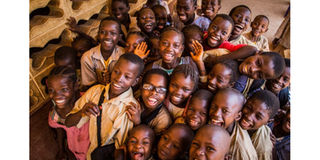
Dar es Salaam. Parents and guardians have been urged to heighten vigilance to protect children from various risks during the festive season, a period characterised by increased movement, social gatherings and reduced supervision as families celebrate Christmas and the New Year.
Experts warn that although the holidays are meant for rest and celebration, they often expose children to greater danger as they spend more time outdoors, interact freely with different people and visit crowded or high-risk areas with minimal adult oversight.
A sociologist at the University of Dar es Salaam, Dr Margaret Rugambwa, said the festive period often creates a false sense of security among families, leading to relaxed supervision.
“Many parents assume that because it is a joyful season, nothing bad will happen. Unfortunately, that assumption exposes children to avoidable dangers, especially around swimming pools and beaches, where accidents can occur within minutes,” she said.
Dr Rugambwa stressed that children should only swim in designated areas and under the supervision of responsible adults or trained lifeguards. She warned against allowing children to swim alone or with peers of the same age.
She also advised parents to set clear boundaries during the festive period, including curfews and restricted areas. Entertainment spots such as bars, nightclubs and overcrowded events, she said, are unsuitable for children and expose them to inappropriate behaviour and potential harm.
“Parents should remember that children learn by observing adults. If adults behave recklessly during celebrations, children are likely to imitate that behaviour. Responsible parenting during the festive season is not about denying children joy, but ensuring celebrations do not turn into tragedy,” she said.
According to Dr Rugambwa, some of the most common risks during the holidays include road accidents, drowning, abuse and poor food safety.
Road safety remains a major concern, particularly in urban areas where traffic volumes rise sharply during the festive season. Children, who are on school break and often playing outside or running errands, are more likely to cross busy roads carelessly.
A traffic police officer in Dar es Salaam said incidents involving children tend to increase towards the end of the year due to negligence by both motorists and pedestrians.
“During Christmas and New Year, there is increased movement of vehicles, including long-distance buses, motorcycles and private cars.
Children often cross roads without caution while playing or being sent on errands. Parents must ensure children understand basic road safety rules and, where possible, escort younger ones,” he said.
Parents have also been warned against allowing children to visit beaches, rivers, ponds or swimming pools without proper supervision, even if instructors are present.
A swimming instructor in Dar es Salaam, Ms Rabia Khamis, emphasised that parental responsibility cannot be delegated.
“It is not right for parents to allow their children to go to beaches, rivers, ponds or swimming pools without a responsible adult supervising them, even if there are instructors at the site,” she said.
Dr Rugambwa noted that cases of drowning, particularly involving children who swim without adult supervision, are reported every year.
Another growing concern is children moving around with, or accepting company from, people they do not know well. With increased social gatherings and visitors during the festive season, children are more likely to interact with strangers without their parents’ knowledge.
Security experts warn that such situations can expose children to abuse.
“Parents must know where their children are at all times, who they are with and where they are going. Children should also be taught not to accept gifts, food or favours from strangers, regardless of how friendly they may appear,” Dr Rugambwa said.
Food safety has also emerged as a critical issue, particularly as children attend parties, street events and entertainment venues where food and drinks are often shared freely.
Another sociologist at St Augustine University of Tanzania, Ms Linah Kabula, said children should be constantly reminded about personal safety.
“During school time, teachers emphasise safety rules, but once children go on holiday, that responsibility shifts entirely to parents. Simple lessons such as informing parents before leaving home and avoiding food from strangers can save lives,” she said.
Parents themselves acknowledge that keeping children safe during the festive season requires deliberate effort.
A Dar es Salaam mother of three, Ms Faudhia Nasoro, said the holidays present unique challenges, particularly for working parents.
“Children are excited and want to move around, visit friends and attend events. As a parent, you must balance giving them freedom and ensuring their safety. I always insist that my children tell me where they are going and return home before dark,” she said.
Another parent, Mr Isack Simbila, said open communication between parents and children is essential, noting that children who feel comfortable speaking to their parents are more likely to report uncomfortable or dangerous situations.
“This is a good season, but it can easily turn into a season of tears for parents who fail to pay attention to their children’s movements,” he said.
Register to begin your journey to our premium contentSubscribe for full access to premium content