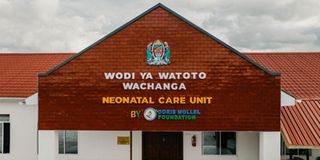
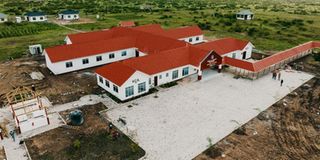
Dar/Mwanza. Tanzania’s efforts to reduce newborn deaths have received a major boost following the construction of the country’s first specialised facility dedicated to the care of premature babies at Kwimba District Hospital in Mwanza Region.
The modern building, constructed by the Doris Mollel Foundation (DMF) at a cost of Sh2.1 billion, is expected to be officially inaugurated on February 28, 2026 by the Director-General of the World Health Organisation (WHO), Dr Tedros Adhanom Ghebreyesus.
The facility is designed specifically for the care of premature babies and is capable of accommodating up to 42 infants at a time. It introduces a “zero separation” model that allows mothers to remain close to their newborns during treatment, an approach widely recognised for improving survival rates among premature babies.
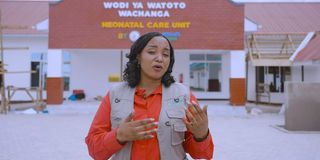
Executive Director of the Doris Mollel Foundation, Ms Doris Mollel, said the project was developed to address persistent gaps in neonatal care services in Tanzania.
“This is the first specialised building in the country dedicated to providing quality care for premature babies. Our goal is to improve survival rates by ensuring babies and mothers are not separated during treatment,” she said.
The facility includes dedicated rooms for mothers and a special visiting area where fathers can see both mother and child while hospitalized- features rarely available in public health facilities.
Premature birth remains one of the leading causes of newborn deaths in Tanzania. Health experts say the country continues to face shortages of specialised neonatal facilities, equipment and trained personnel, particularly in regional and district hospitals.
According to health sector estimates, thousands of babies are born prematurely in Tanzania each year, yet many hospitals lack properly equipped neonatal units, forcing families to travel long distances in search of specialised care.
A paediatrician based in Mwanza, Dr Upendo Mwingira, said specialised neonatal units are critical to reducing preventable newborn deaths.
“Premature babies require controlled environments, specialised monitoring and continuous support. Without proper neonatal facilities, survival becomes very difficult,” she said.
She noted that district hospitals often lack adequate infrastructure to manage premature births despite serving large rural populations.
The Kwimba facility was built in partnership with the international organization; Keep a Child Alive, founded by American musician Alicia Keys. In addition to the neonatal building, the project included the construction of two houses for nurses to support service delivery.
Public health experts say the project highlights the growing importance of private sector and civil society participation in strengthening Tanzania’s health system.
Executive Director of the Doris Mollel Foundation, Ms Doris Mollel.
A public health specialist, Dr Mohamed Joram, said partnerships between government and private organisations are increasingly essential in addressing critical healthcare gaps.
“The government cannot meet all health infrastructure needs alone. Strategic partnerships such as this one help accelerate improvements in critical areas like neonatal care,” he said.
Ms Mollel said the Kwimba project is part of a wider national plan to expand specialised neonatal services.
“After Kwimba, we plan to construct similar facilities in other regions including Dar es Salaam, Mwanza, Shinyanga, Geita, Tabora and Zanzibar. Our target is to build ten centres by 2028,” she said.
Health experts say improved neonatal care will be essential if Tanzania is to reduce infant mortality and meet global health targets.
With specialised infrastructure now reaching district-level hospitals, the Kwimba project is seen as an important step towards ensuring premature babies — among the most vulnerable patients — have a better chance of survival.