Residents’ agony after fish project failed to materialize
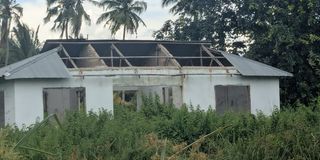
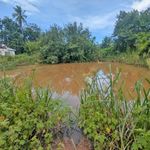
A section of the site at Nyengedi in Mtama District, Lindi Region, that was earmarked for the production of fingerlings and provision of extension services in the area. PHOTO | CORRESPONDENT
Lindi/Mtwara. Behind the silence surrounding the Nyengedi project lie stories of residents who surrendered land in anticipation of development, only to be left in uncertainty without compensation and with little explanation from authorities.
An investigation by The Citizen has established that the project not only failed to take off as promised, but also left a trail of hardship for villagers who gave up land for the investment.
Among them is Mr Ismail Mituka of Nyengedi Ward, who says residents willingly surrendered their land after being assured the project would bring jobs and transform livelihoods.
“We were told this was a major project that would improve our lives, so we agreed to give up our land,” he says.
However, problems emerged after valuation exercises. Residents say compensation assessments did not reflect the true value of land and crops.
Mr Mituka says he was offered Sh210,000 for his 1.4-acre plot with permanent crops, which he considers unfair.
Later, government revised valuations showed claims of about Sh53 million, but only Sh21 million was available.
The funding gap slowed implementation before the project eventually stalled.
Today, some residents remain uncompensated and cannot use their land for fear that it is still earmarked for the project.
“You take my land, fail to compensate me and then stop me from using it. Where is the development in that?” asks Mr Mituka.
The investigation further found that difficulties extended to the contractor, who was reportedly unpaid and suspended work before leaving the site.
Residents also question the fate of about Sh500 million reportedly budgeted for implementation, including compensation.
They claim part of the funds was returned to the Treasury at the end of the financial year.
“If money was allocated, why weren’t residents compensated?” asks one villager.
Development experts say Nyengedi had the potential to boost Lindi Region’s blue economy, particularly aquaculture and modern fishing, given its coastal resources.
However, delays in strategic investment have undermined those prospects.
Had it been completed, the project could have created jobs for hundreds of young people, increased fish production and strengthened food security. Instead, expectations remain unfulfilled.
Affected residents say they have repeatedly sought help from district offices and land authorities without success.
“Every year we are told to wait for the next budget cycle, but nothing changes,” says Mr Mituka.
Another resident, Mr Ibrahim Alage, 75, says his half-acre plot was valued at Sh3.85 million.
He claims officials collected the valuation documents and did not provide copies, while only a few residents were compensated.
Mr Alage recalls that the Minister for Fisheries once visited the area and asked residents to present grievances, but later discussions led to the cancellation of the opportunity, “I believe there were efforts to prevent us from speaking.”
Although a village meeting was promised, no meaningful action followed.
He says he has received no official communication on compensation.
His land, with mango and oil palm trees, remains unused: “Perhaps our children will only be compensated after we are gone.”
Furthermore, Mr Alage urges the government to clarify whether the project has been abandoned so residents can decide how to use their land.
He adds that senior officials once praised the site for fish pond development in the southern zone, but the contractor later removed equipment and left without explanation.
Mr Alage insists that he deserves compensation or permission to resume using his land, as his property has been affected for years.
The Nyengedi saga raises broader questions on public project management, accountability and citizen rights in development processes.
The 1977 Constitution under Article 9(i) requires the State to ensure national resources benefit all citizens and reduce inequality.
For Nyengedi residents, however, development remains a promise deferred, reflected in daily uncertainty and fading hopes.
Local leaders and policy analysts say the Nyengedi experience highlights persistent challenges in project planning and execution across public investments in Tanzania, particularly where land acquisition and compensation processes are delayed or poorly coordinated.
They argue that clearer communication, timely budget disbursement and stronger accountability mechanisms could help prevent similar disputes in future development projects.
Some also call for an independent review of the Nyengedi project to establish what went wrong with funding, implementation and communication between government agencies and affected communities.
Others emphasise the need to restore public trust by ensuring that compensation processes are transparent and that citizens receive clear information on the status of projects affecting their livelihoods.
For Nyengedi villagers, the uncertainty persists as they continue to wait for clear government direction on whether the project will be revived or formally abandoned, a decision they say is long overdue.
They maintain that delays have already undermined confidence in public projects across the region and urge swift resolution of long-standing compensation disputes to restore faith in development promises made to rural communities, the process continues slowly.
Register to begin your journey to our premium contentSubscribe for full access to premium content