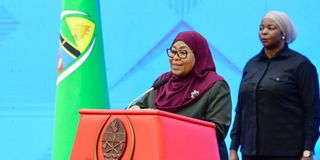
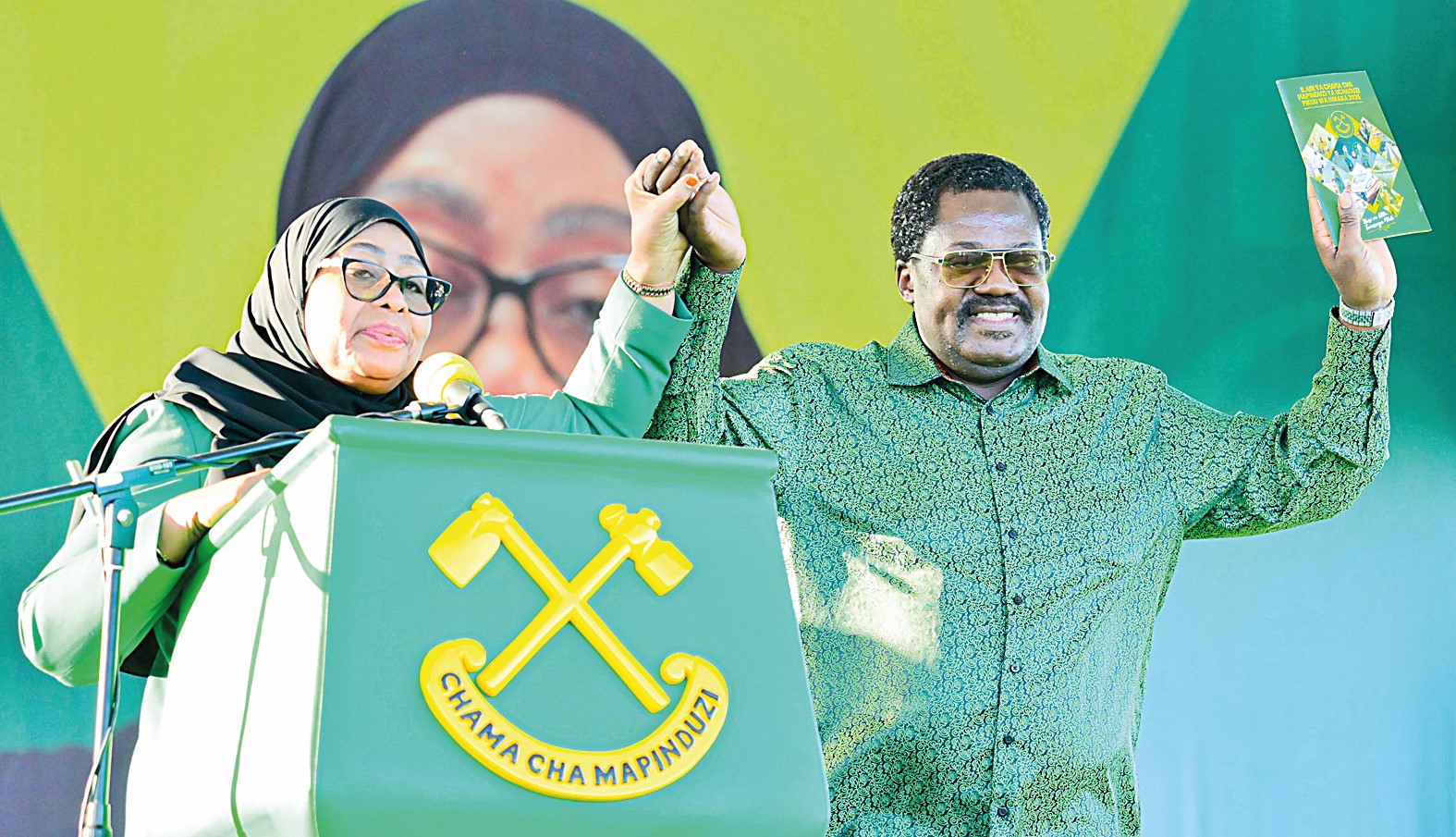
During the October 29, 2025 General Election campaigns, President Samia pledged that within her first 100 days in office, hospitals would no longer be allowed to detain bodies because of unpaid bills
Dar es Salaam. There is no deeper anguish than losing a loved one after weeks or months in hospital, sustained only by fragile hope, only for death to arrive at the end of that long vigil.
For many families, grief does not end at the bedside. It continues at the mortuary door.
In the midst of mourning, relatives are often confronted with overwhelming medical bills. They are told that the body cannot be released until the costs are settled. By that point, many families have already exhausted their resources. Furniture, livestock and household electronics are sold to finance treatment. Savings are drained. Loans are taken. Yet the debt remains.
The practice of withholding bodies to force payment has long been condemned as inhumane. For poor households, it turns grief into humiliation.
It also turns loss into prolonged suffering. Families are denied the dignity of burial. The dead become collateral for unpaid hospital fees.
Following years of public complaints, the sixth-phase government moved to confront the practice directly. During her campaign for the October 29, 2025 General Election, President Samia Suluhu Hassan pledged that within her first 100 days in office, hospitals would no longer be allowed to detain bodies because of unpaid bills. She promised a humane system. It would allow families to bury their loved ones. It would also enable debts to be settled through structured arrangements.
Early efforts
The issue is not new. On December 25, 2020, former Health Minister, Dr Dorothy Gwajima, directed hospitals to establish systems to track payment plans while patients were still alive. The aim was to avoid waiting until death to block the release of bodies.
Despite the directive, the problem persisted. Circular Number One of 2021 formally prohibited the detention of corpses. It also set out procedures for settling medical debts after death. Yet enforcement remained weak. Complaints continued.
Public anger intensified in early 2024. On January 20, 2024, former Health Minister Ummy Mwalimu announced a ban on the practice during a visit to Tanga. She was accompanied by then CCM Ideology and Publicity Secretary, Paul Makonda. The declaration followed widespread public outcry. Even then, implementation remained uneven across the health system.
Mchengerwa at MNH
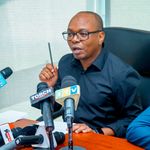
A decisive shift came last year. During a visit to Muhimbili National Hospital (MNH) on December 8, 2025 the Minister for Health, Mohamed Mchengerwa, issued firm nationwide directives.
“My instructions, effective immediately, apply to this national hospital, zone referral hospitals, regional referral hospitals, council-run facilities, district hospitals and health centres across the country,” he said. “As directed by President Samia Suluhu Hassan, no hospital should withhold corpses in their areas.” He warned hospital managers that the practice must end without exception. “I do not expect, from today onwards, to hear of any family unable to bury a loved one because a body was held. Establish procedures to recover funds used in treatment,” he said.
Mr Mchengerwa also revealed reports of serious systemic failures. These included delays of up to 12 months in surgical operations. Such delays, he said, sometimes cost between Sh5 million and Sh10 million. In some cases, they resulted in patient deaths.
“Relatives become furious. They refuse to pay. These practices deepen mistrust in the health system. I urge all hospitals to end such conduct immediately,” he said.
On medical bill exemptions, the minister said that over the past four years, Sh78.46 billion had been waived for patients unable to pay. At MNH Upanga alone, exemptions amounted to Sh62.78 billion. MNH Mloganzila recorded Sh15.68 billion. “No citizen should be denied treatment for lack of funds,” he said. “MNH alone averages Sh19 billion in exemptions annually.”
He added that Sh6.7 billion had been allocated to provide specialised services to 760 patients who could not fund their own care. The policy, he said, forms part of a broader effort. It seeks to ensure that every citizen requiring specialised treatment can access it without financial barriers.
“The ministry will continue allocating funds to assist patients facing financial hardship,” he said. “This approach also strengthens specialised services locally. It reduces the need for patients to seek treatment abroad.” He added that the initiative is also expected to support the growth of medical tourism.
JKCI begins implementation
Implementation of the President’s directive has already begun in specialised institutions. At the Jakaya Kikwete Cardiac Institute (JKCI), chief executive officer, Dr Peter Kisenge, said six relatives of deceased patients had received debt waivers totalling Sh22.05 million.
The bodies were released to their families without clearing the bills. He added that between November and January 22, 2026, 122 patients received medical fee waivers. These included 52 adults and 70 children. Government contributions amounted to Sh698.4 million.
In addition, 177 patients received consultation fee waivers at the cardiac clinic. Of these, 76 were women and 101 were men. Government support totalled Sh2.7 million.
Temeke Hospital
At Temeke Regional Referral Hospital, Medical Officer, Dk Joseph Kimaro, said no body had been held within the President’s 100 days. He said the hospital already had clear procedures in place. “No dead body will be held. This policy is clear and permanent,” he said.
He added that drug supplies were adequate. Services had also been strengthened. These included expanded Hepatitis B testing. Temeke is now among the few facilities offering the service consistently.
Dr Kimaro said additional staff had been recruited. They are supporting the implementation of universal health insurance. The National Health Insurance Fund (NHIF) is continuing to register new beneficiaries.
Mount Meru Hospital
At Mount Meru Regional Referral Hospital in Arusha, Medical Superintendent, Dr Alex Ernest, said the institution now releases bodies immediately, even when families are unable to pay.
“This fulfils the President’s promise,” he said. “Families receive bodies without barriers. Payment procedures do not prevent collection.”
Since adopting the new system, more than Sh16.45 million in debts has been waived for families collecting bodies. He added that patients with chronic diseases are also now served without obstacles. This reflects President Samia’s broader health policy commitments.
Citizens’ react
For many citizens, the change has deep emotional meaning. Kinyerezi resident, Samson Jumbe, said the President’s first 100 days reflected a new leadership approach. He said it restored public confidence. “She listened to citizens’ pleas. For bereaved families, this decision is not just policy. It is dignity,” he said.
Another Dar es Salaam resident, Mr Joachim Pedro, said the practice of mortuary detention raised serious legal and ethical concerns.
“Withholding bodies for money is wrong,” he said. “These new directives were necessary. They were also long overdue.”
What the guideline says
Circular Number One of 2021 on the non-detention of corpses outlines clear procedures for releasing bodies from health facilities.
Section 3.1.2 states that if the deceased received treatment under a fee waiver, relatives must be allowed to collect the body.
Section 3.1.3 states that if the deceased had outstanding medical debts, relatives may collect the body after payment.
Section 3.1.4 provides that if relatives are unable to pay, they should sign a written agreement with the health facility. This allows them to settle the debt while still taking the body for burial.
Together, these provisions form the legal framework supporting the President’s directive. They protect human dignity. They uphold compassion. They ensure that death is not turned into a transaction of despair.