Samia orders investigation into rising childhood cancer cases
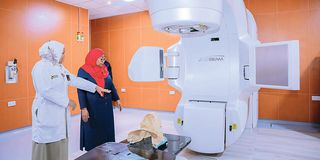
President Samia Suluhu Hassan receives a briefing on how a cancer treatment machine works during a tour of the newly inaugurated Radiotherapy Unit at the KCMC in Moshi. PHOTO | STATE HOUSE
Dar es Salaam. President Samia Suluhu Hassan has directed health researchers to investigate the growing number of children suffering from cancer and heart diseases, warning that the trend is becoming an increasingly serious public health concern in Tanzania.
Speaking on Wednesday, June 24, 2026, during the inauguration of a new radiotherapy centre at Kilimanjaro Christian Medical Centre (KCMC) in Moshi, President Hassan said the rise in non-communicable diseases among children demands urgent scientific attention to determine the underlying causes and guide preventive interventions.
“Cancer was once considered a disease affecting adults, but today we are seeing increasing numbers of children diagnosed with it. The same applies to heart diseases. Researchers must dig deeper and help us understand what is driving this trend,” she said.
She urged health research institutions to collaborate with international experts to identify factors behind the growing burden of childhood cancers and cardiovascular diseases.
“We need our researchers and health institutions to investigate these issues thoroughly and provide the public with sufficient education so that we can prevent conditions that are contributing to children being born or growing up with such illnesses,” she added.
The President made the remarks while officially launching KCMC’s new radiotherapy facility, a project aimed at expanding access to cancer treatment services in northern Tanzania and neighbouring countries.
She reaffirmed the government’s commitment to bringing specialised healthcare closer to citizens, noting that cancer treatment services that were once concentrated in Dar es Salaam are now being expanded to other regions.
The new centre has already begun providing radiotherapy services, reducing the need for patients from northern Tanzania to travel long distances to the Ocean Road Cancer Institute in Dar es Salaam.
According to KCMC executive director, Prof Gileard Masenga, the hospital receives more than 9,400 cancer patients annually, including about 900 new cases each year.
Nearly 65 percent of those patients require radiotherapy services, forcing many to seek treatment elsewhere because of the previous lack of facilities in the region.
“Many patients have been unable to travel for treatment because of transport costs, accommodation expenses, and the long distances involved. This facility will significantly reduce that burden,” said Prof Masenga.
The radiotherapy centre was completed with support from the government, development partners, and charitable organisations. President Hassan said the government contributed Sh5.5 billion towards the project after laying its foundation stone in 2021.
She described the facility as a major milestone in strengthening Tanzania’s cancer care system and easing congestion at the Ocean Road Cancer Institute.
Health Minister Mohamed Mchengerwa said the project represented a transformative step for the country’s healthcare sector and reflected the government’s strategy of decentralising specialised medical services.
“Today’s event is not merely the inauguration of a building. It demonstrates how specialised healthcare can be brought closer to the people who need it most,” he said.
Mr Mchengerwa said the centre is currently capable of serving about 1,100 patients annually and is expected to accommodate more than 3,900 patients a year once all planned phases are completed.
He added that continued investment in cancer infrastructure, modern medical equipment, and specialist training was improving access to timely diagnosis and treatment across the country.
KCMC Board Chairman Bishop Dr Alex Malasusa welcomed the new facility, saying it would benefit not only Tanzanians but also patients from neighbouring countries, including Kenya, Burundi, the Democratic Republic of Congo, South Sudan, and Comoros.
He said the hospital was also making progress on constructing a specialised heart disease centre, which has reached 40 percent completion.
President Hassan used the occasion to urge Tanzanians to embrace early cancer screening, stressing that a diagnosis should not be viewed as a death sentence.
“Let us not fear screening. Early detection increases the chances of successful treatment.
Men should not wait until symptoms become severe before seeking medical attention, and women should regularly undergo screening for cervical and breast cancer,” she said.
She also appealed to the media, religious institutions, and health professionals to intensify public awareness campaigns, warning against reliance on unverified treatments that may delay proper medical care.
The newly inaugurated radiotherapy centre is expected to play a key role in improving cancer treatment outcomes while supporting the government’s broader efforts to strengthen specialised healthcare services nationwide.
Register to begin your journey to our premium contentSubscribe for full access to premium content