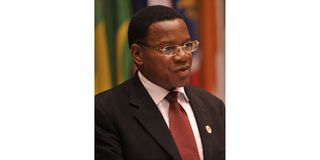
Dar es Salaam. The Tanzania Court of Appeal has annulled part of the judgment in the defamation case in which former Minister for Foreign Affairs and East African Cooperation, the late Benard Membe was awarded Sh6 billion.
A three-judge panel – Ferdinand Wambali, Lucia Kairo and Dr Deo Nangela – ordered that the case file be returned to the High Court in Dar es Salaam, to be reheard from the point where witnesses began giving their testimony.
The ruling, issued on April 2, 2026, and posted online yesterday, followed an appeal by Cyprian Musiba, the respondent and the editor of the Tanzanite newspaper, which Musiba owns.
The case involved CZ Information and Media Consultant Ltd, publishers of Tanzanite. Membe, who died on May 12, 2023, had sued them seeking Sh10.1 billion in damages, claiming that between October 2018 and May 2019 the newspaper published defamatory reports accusing him of election fraud and posing a national security threat.
Membe had also alleged that claims that he laundered money from Libya and was involved in drug trafficking were false and harmed his reputation.
He said the publications caused the suspension of a Sh4 billion project, his expulsion from CCM, the withdrawal of his diplomatic passport and restrictions on his travel abroad.
The case had initially been heard ex parte after Musiba and co-respondents failed to appear, leading to a default judgment. On October 28, 2021, Justice Joacquine De-Mello ruled in Membe’s favour, awarding Sh6 billion and barring further defamatory publications.
Grounds for the appeal
Musiba and co-respondents challenged the ruling in the Court of Appeal, represented by lawyer Sylvanus Mayenga, while the respondents were represented by Shundi Mrutu and Jonathan Mndeme.
The appeal argued that the High Court had erred by accepting testimony from witnesses who had not sworn oaths as required by the Oaths and Statutory Declarations Act, Cap 34. The witnesses included Membe himself, former Ambassador Patric Isere, and Amri Mnkombolo.
Mayenga argued that the court records showed the witnesses gave testimony without taking the legal oath, noting that the court clerk appeared to guide them. Mrutu countered, saying all witnesses had taken oaths before testifying, dismissing the appeal as baseless.
Why the award was annulled
The appellate judges said the key issue was whether the witnesses had taken their oaths before giving evidence. Court records, they noted, did not confirm that proper oaths were administered, meaning the evidence did not meet legal requirements.
“Court proceedings must follow proper procedure. Evidence given without a lawful oath is invalid,” the judges said.
As a result, the testimony of witnesses 1, 2 and 3 was annulled, and the Sh6 billion award was set aside. The High Court was instructed to rehear the case from May 4, 2021, when the witnesses first gave evidence. The remaining aspects of the case remain valid, but proceedings will recommence with witnesses taking lawful oaths.
The ruling ensures that proper legal procedures are observed, even in a high-profile defamation case previously decided by default.