Stakeholders, government chart ways to strengthen inclusive education drive

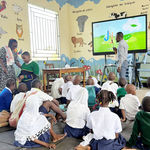
Students with special educational needs at Ifakara Primary School demonstrate their ability to write and follow lessons taught by their teacher. PHOTO | ELIZABETH EDWARD

Dar es Salaam. Despite government efforts to strengthen inclusive education, stakeholders say Tanzania still faces major challenges in ensuring every child, regardless of disability or learning difficulty, receives quality education in an environment suited to their needs.

Tanzania is implementing various policies and guidelines to integrate children with special educational needs into mainstream education, including the National Inclusive Education Strategy 2022–2026.
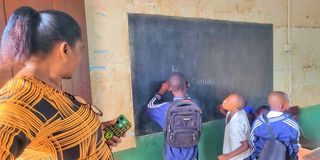
However, a Mwananchi investigation in Bagamoyo District in Coast Region and Kilombero District in Morogoro Region found that shortages of specialised teachers, inadequate teaching and learning materials and poor infrastructure continue to affect service delivery in schools.

Education experts warn that without adequate investment, the country's ambition of ensuring no child is left behind in accessing education may be difficult to achieve.

Project coordinator at Sawa Education in Kilombero District, Clarence Mosha, said Tanzania already has policies recognising the rights of children with special needs, but implementation remains weak because of limited funding.

"If we want every child to receive quality education, there is a need to invest in school infrastructure, adequate teachers, learning materials and supportive environments for learners with special needs," he said.

Mr Mosha said increasing funding alone would not solve the problem unless there are proper systems to monitor how resources are used and assess policy implementation.

He also stressed the need for stronger community involvement, saying parents, local leaders and education stakeholders all have a role in ensuring children access education.

Head of projects at Ocode in Bagamoyo District, Digna Mushi, said many organisations are supporting inclusive education, but there is no clear national coordination framework.

She proposed establishing a national system to register and coordinate stakeholders and called for a dedicated budget for inclusive education and increased grants for children with special needs.

According to her, this would support the purchase of assistive devices such as hearing equipment, Braille books and other learning materials.

Inclusive education specialist Amina Mfaume said early identification of children's needs remains critical, as many children with visual, hearing and learning difficulties are not identified soon enough.

"If a child is not identified early, teachers may not understand how best to support them and the child may be wrongly viewed as unable to learn," she said.

Lecturer in special education Dr Josephina Mallya said providing learning equipment alone is insufficient without training teachers on how to use it effectively.

"We need a system that links equipment, training and professional support services," she said.

Parents of children with disabilities in Bagamoyo also said improved school facilities have helped build confidence among families.

A parent of a child with a disability, Rehema Sultani, said the construction of a dormitory at Nianjema Primary School encouraged more parents to enrol their children.

"A child with a disability needs a supportive environment to learn comfortably like other children," she said.

Responding to the concerns, Director of Special Education Dr Magreth Matonya said the government is implementing measures to strengthen inclusive education through the establishment of model special schools in every council.

The initiative aims to establish two schools in each council, one primary and one secondary school , with appropriate infrastructure and services for children with different educational needs.

She also said the government plans to increase the number of specialised teachers supporting home-based education programmes for children who cannot attend mainstream schools because of severe disabilities or health conditions.

The government is also continuing programmes that provide education to children admitted to hospitals.

According to Dr Matonya, teachers are already working with hospitals and schools to ensure children undergoing long-term treatment continue with their studies, with the programme already showing positive results at Muhimbili National Hospital.