Stakeholders unite to scale up HIV response among miners in Geita
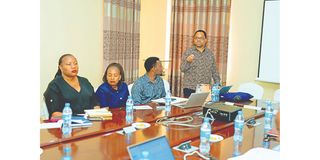
Geita Regional Medical Officer Dr Omar Sukari (standing) speaks during a working session in Mwanza to plan HIV and Aids interventions targeting small-scale miners in Geita Region. PHOTO | COURTESY
Mwanza. Stakeholders in the fight against HIV and Aids have unveiled a targeted intervention to curb infections among small-scale miners in Geita, where prevalence remains nearly double the regional average.
The resolution was reached during a two-day working session that brought together Geita Gold Mining Limited (GGML), the GGML Kilimanjaro Challenge Against HIV/Aids Trust, the Tanzania Commission for AIDS (Tacaids), regional and local government authorities, and HIV/Aids co-ordinators.
Geita hosts nearly 10 percent of Tanzania’s estimated four million small-scale miners across more than 100 sites. While overall HIV prevalence in the region stands at 4.9 percent, rates within small-scale mining communities are estimated at 9.3 percent.
The region is achieving only 60–70 percent of the first target under the global 95–95–95 framework, leaving many people unaware of their status.
Through its 2024/2025 Kili Grants Portfolio, the Trust has committed Sh100 million to implement a three-month intervention starting March 1, 2026. Participants cited low awareness of prevention and treatment services, limited uptake of testing, high mobility among miners, stigma and inconsistent messaging as major obstacles.
Geita Regional Medical Officer Dr Omar Sukari said community education would be the entry point. “The first major step is to provide education to those working in small-scale mines so they gain knowledge about HIV and come forward for testing,” he said.
Mobile outreach services will be deployed in mining hotspots to provide confidential testing, targeting more than 5,000 miners, alongside strengthened referrals to Care and Treatment Clinics. About 15 schools in mining areas will also be engaged to enhance prevention awareness among adolescents.
Regional HIV/Aids Co-ordinator Dr Yohane Kiaga described the initiative as timely. “We expect to reach more than 5,000 people, especially in areas where small-scale miners are concentrated. As a region, we see this as a great blessing,” he said.
Implementation will involve mapping priority sites, co-ordinating with local authorities and monitoring testing uptake and linkage to care.
Stakeholders expressed optimism that the intervention will accelerate progress towards the first 95 target, reduce stigma and strengthen collaboration in Geita’s mining communities.