Globally, more than 1.5 billion people experience some degree of hearing loss, with the burden falling disproportionately on low- and middle-income countries where access to prevention, early detection and treatment remains limited.
Dar es Salaam. As Tanzania joins the global community in commemorating World Hearing Day, the World Health Organization (WHO) Regional Office for Africa has called on African governments and stakeholders to strengthen ear and hearing care services for children, warning that untreated hearing loss continues to affect millions across the continent.
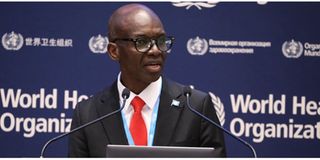
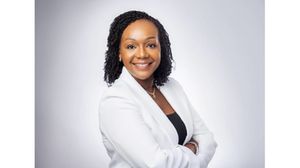
WHO Regional Director Mohamed Janabi said in a statement that hearing loss is a growing public health challenge, with nearly 40 million people in the African region living with disabling hearing impairment.
“Today, we join the global community in recognising the importance of ear and hearing care, and in reaffirming our commitment to ensuring that every child in Africa can learn, communicate and thrive without preventable barriers,” he said.
Globally, more than 1.5 billion people experience some degree of hearing loss, with the burden falling disproportionately on low- and middle-income countries where access to prevention, early detection and treatment remains limited.
Children at risk
This year’s World Hearing Day theme, from communities to classrooms: hearing care for all children, highlights the importance of early intervention.
Prof Janabi said hearing is critical not only for communication but also for speech development, learning and social interaction. He warned that children with hearing difficulties are often mislabelled as inattentive or slow learners when they are actually struggling with an undiagnosed health condition.
“Without early identification and support, hearing loss can affect educational achievement, limit future opportunities and contribute to social exclusion,” the statement read.
Health experts note that many cases of childhood hearing loss can be prevented. Up to 60 per cent of cases are avoidable through simple, cost-effective public health measures, including early treatment of ear infections and routine ear examinations, Prof Janabi added.
Schools key to early detection
Prof Janabi emphasised the role of schools in identifying hearing problems early. Integrating hearing screening into school health programmes allows for timely referrals and support for affected children.
This approach aligns with WHO’s Health Promoting Schools framework, which encourages collaboration between families, teachers and health workers to create supportive learning environments.
“Schools provide a powerful platform for early detection and intervention. With timely care, children can fully participate in education and society,” he said.
WHO is working with African countries to integrate ear and hearing care into primary health services, providing technical guidance, training and tools to expand screening and treatment programmes. Resources such as implementation handbooks for school-age screening and essential noncommunicable disease intervention packages are helping countries develop evidence-based policies.
“Strengthening services at primary health care level ensures prevention, early detection and treatment reach communities where they are needed most,” Prof Janabi said.
On World Hearing Day, he urged governments, partners, educators and families to prioritise ear and hearing care as part of broader child health and education strategies.
“By investing in prevention, early detection and care, we can protect children’s ability to learn, communicate and reach their full potential,” he said.
He added that addressing hearing loss is not only a health issue but also a matter of social inclusion and economic development.
“Together, we can ensure that no child in Africa is left behind because of preventable hearing loss. Together, we can build a future where every child has the opportunity to hear, to learn and to succeed,” he said.