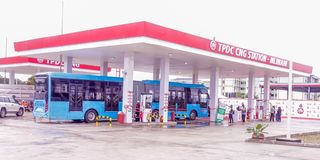
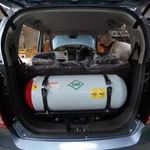
Dar es Salaam. The government has directed all public institutions to prioritise the procurement of electric and gas-powered vehicles as part of efforts to reduce operating costs, cut reliance on imported petroleum products and improve public spending efficiency.
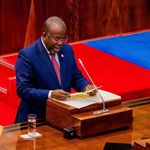
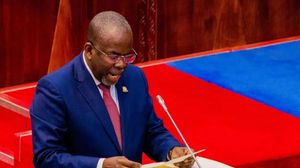
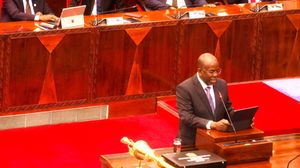
Presenting the government’s revenue and expenditure estimates for the 2026/27 financial year in Parliament, Finance Minister Khamis Mussa Omar said the directive is part of broader public finance reforms aimed at strengthening resource management and sustainability.
He said ministries, departments and agencies must integrate the purchase of electric and gas-powered vehicles into their planning and budgeting processes.
“The government directs public institutions to consider procurement of electric and gas-powered vehicles in their plans and budgets. This aims to minimise operating costs and reduce dependence on imported petroleum products,” Mr Omar said.
He said the policy is intended to improve efficiency in public expenditure by ensuring national resources are used in a more productive and cost-effective manner.
“The government will continue to strengthen management and control of public expenditure to achieve the national objectives of building a strong, inclusive and competitive economy,” he said.
Mr Omar added that implementation of the directive will be guided by existing legal and regulatory frameworks, including the Budget Act (Cap. 439), the Public Finance Act (Cap. 348), the Local Government Finance Act (Cap. 290) and the Public Procurement Act (Cap. 410).
He said adherence to these laws, along with medium-term planning and budget guidelines, is expected to improve discipline in public spending and ensure value for money in government operations.
According to the minister, tighter expenditure controls will support the country’s long-term development agenda and economic transformation goals under Vision 2050.
The government says the shift towards cleaner and more cost-efficient transport technologies within the public sector will also help reduce exposure to volatile global fuel prices and support broader energy transition efforts.
Register to begin your journey to our premium contentSubscribe for full access to premium content