Tanzania plans to recruit 45,000 civil servants in 2026/27
What you need to know:
The proposed allocation marks an increase of nearly Sh200 billion from the Sh1.4 trillion approved by Parliament for the 2025/26 fiscal year.
By Katare Mbashiru
Dodoma. The government has unveiled plans to recruit 45,000 new civil servants in the 2026/27 financial year, backed by a proposed budget of Sh1.6 trillion aimed at improving public service delivery and strengthening governance systems.
The proposed allocation marks an increase of nearly Sh200 billion from the Sh1.4 trillion approved by Parliament for the 2025/26 fiscal year.
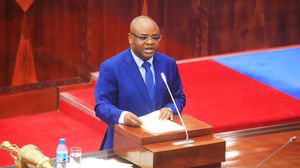
Presenting the budget estimates in Parliament on Friday, April 17, 2026, the Minister of State in the President’s Office (Public Service Management and Good Governance), Ridhiwani Kikwete, outlined key priorities including employment creation, payroll reforms and institutional efficiency.
He said the government plans to issue permits for 45,000 new positions to fill existing vacancies across public institutions, a move expected to ease unemployment pressures while enhancing service delivery.
In addition, 7,124 replacement staff will be recruited to ensure continuity in critical sectors.
The minister said the government will also focus on staff promotions, career development and leadership strengthening within the public service. Plans include filling 500 leadership positions and facilitating transfers for 7,000 employees to improve efficiency and performance.
Some 70 public institutions are expected to benefit from incentive schemes and structured career development frameworks aimed at motivating workers and aligning remuneration systems.
A significant portion of the budget will also address salary-related concerns, including verification and approval of arrears claims across 425 institutions, as well as continued settlement of outstanding payments for current and former public servants.
Mr Kikwete said the government will conduct a comprehensive review of salary disparities as part of a long-term strategy to harmonise pay across the public sector.
Efforts to modernise public service systems will include the expansion and upgrading of digital platforms such as the e-Watumishi to improve payroll management, data accuracy and integration with other systems. A centralised dashboard will also be introduced to enhance real-time data access for decision-making.
The ministry will further oversee staff audits and data verification in 127 institutions, expand electronic systems to more agencies, and strengthen compliance with laws, regulations and ethical standards.
Public service accountability will also be reinforced through the handling of 3,500 employee complaints and the rollout of nationwide ethics campaigns.
The reform agenda also includes reviewing key policies and legal frameworks to align public service management with the country’s long-term development goals. Training programmes will be conducted for 115 employing authorities to strengthen human resource management and governance practices.
With support from development partners, including the World Bank, the government is also set to implement a citizen-centred public service reform programme aimed at improving efficiency and responsiveness.