Josephine Christopher is a senior business journalist for The Citizen and Mwananchi newspapers
Mwananchi Communications Limitted
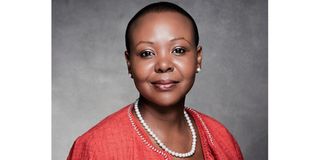
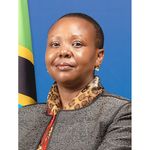
Dar es Salaam. Tanzania’s Ambassador to the United States and Mexico, Elsie Kanza, has been named among Africa’s 100 leaders, placing her alongside some of the continent’s most influential figures in politics, business, sport and global governance.
The recognition highlights Ms Kanza’s growing stature in international diplomacy, where she has emerged as a key voice shaping how African interests are articulated and understood in Washington.
Other notable names on the list include Ngozi Okonjo-Iweala, who continues to shape global trade architecture as Director-General of the World Trade Organization; William Ruto, Kenya’s current Head of State; and Netumbo Nandi-Ndaitwah, Namibia’s first female president.
The list also features Ibrahim Traoré, the young military leader reshaping power dynamics in the Sahel; João Lourenço, who currently chairs the African Union; and Cyril Ramaphosa, noted for his steady leadership in Africa’s most industrialised economy.
From the world of sport and culture, the ranking recognises Kenyan athletics stars Faith Kipyegon and Beatrice Chebet for redefining global performance standards, as well as South African music sensation Tyla, who has built a globally recognised brand.
According to the publication, Ms Kanza’s influence lies less in visibility and more in precision diplomacy anchored in credibility, relationships and strategic clarity.
At a time when global power dynamics are shifting and engagement with Africa is being recalibrated, she has emerged as a trusted voice capable of translating the continent’s priorities into policy language that resonates within the United States.
Her background as an economist and former Head of Africa at the World Economic Forum has positioned her at the intersection of government, finance and global institutions—an advantage that continues to shape her diplomatic effectiveness.
“She speaks with the credibility of someone who understands markets and the realism of someone who understands governance. She makes the case for Africa as an investable, strategic and economically central player, rather than a continent framed only through aid and crisis,” the report reads in part.
Observers note that in Washington, where access and trust are critical currencies, Ms Kanza has distinguished herself through a measured, disciplined approach—one that prioritises substance over spectacle.
The publication further notes that Ms Kanza represents a new generation of African leadership, one that emphasises agency, economic credibility and strategic relevance in global affairs.
She has consistently advanced three key messages: Africa as an active decision-maker in global systems, the continent’s growing economic potential, and its central role in addressing global challenges such as climate change, food security and energy transitions.
Her work reflects a broader shift in how African influence is exercised internationally, moving away from traditional power structures towards a more networked, strategic and results-driven approach.