Josephine Christopher is a senior business journalist for The Citizen and Mwananchi newspapers
Mwananchi Communications Limitted
What you need to know:
The downpours mark the start of the Masika rainy season, which normally runs from March to May, but authorities say current weather patterns suggest the rains could be heavier and longer than usual
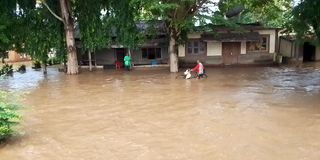
Dar es Salaam. Heavy rains that have hit several parts of Tanzania since late February are raising the risk of flooding, infrastructure damage and health concerns, with experts warning that climate change and rapid urbanisation are making such events more frequent.
The downpours mark the start of the Masika rainy season, which normally runs from March to May, but authorities say current weather patterns suggest the rains could be heavier and longer than usual.
The Tanzania Meteorological Authority has warned that rainfall may intensify in the coming days, increasing the likelihood of floods in several regions. Coastal areas including Lindi, Mtwara, Pwani and Mafia Island are particularly at risk, with potential disruptions to transport and marine activities.
Earlier forecasts also indicated that Dar es Salaam, Morogoro and Tanga could receive normal to above-normal rainfall, raising the risk of floods and waterborne diseases.
In an interview with The Citizen, the Director of Environment in the Vice President’s Office, Kanizio Manyika, said scientific studies increasingly show that climate change is intensifying extreme weather events.
“Rising global temperatures allow the atmosphere to hold more moisture, increasing the chances of intense rainfall over a short period, which can lead to floods,” he explained.
He noted that flooding risks are further amplified by human activities such as rapid urban expansion, settlement in river valleys and drainage corridors, destruction of wetlands and forests, and infrastructure not designed for heavier rainfall.
Low-lying cities like Dar es Salaam remain particularly vulnerable. Heavy rains often disrupt road transport, damage infrastructure and heighten the risk of disease outbreaks when drainage systems overflow.
In northern Tanzania, recent downpours flooded access roads in parts of the Serengeti ecosystem, temporarily affecting safari operations and prompting emergency repairs.
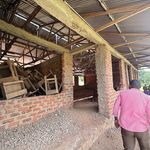
Flooding also threatens agriculture by causing soil erosion, crop damage and delays in planting. Contaminated water and stagnant pools create breeding grounds for mosquitoes, raising the risk of malaria and other diseases.
Emergency measures
Authorities are implementing measures to reduce risks as the rains continue. Dr Manyika said the government is strengthening early-warning systems via TMA, while disaster management teams coordinate evacuations from flood-prone areas.
Temporary shelters and humanitarian support, including food, healthcare and accommodation, are being provided where needed.
Municipal authorities are clearing blocked drainage systems to reduce water accumulation, while national strategies are being updated to integrate climate-resilient infrastructure, including roads, bridges and drainage systems.
“The government has started building climate-resilient infrastructure and investing in flood-control projects, urban drainage improvements and conservation of forests and wetlands that regulate water flow,” Dr Manyika said.
Meteorologists warn that the current rains may only mark the start of the Masika season, which is expected to peak in April.
Regional climate outlooks indicate a high probability of above-average rainfall across parts of East Africa, meaning flooding could remain a risk in vulnerable areas for weeks.