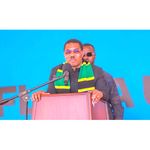
Dr Nchemba said the government would not tolerate misuse of public funds or abuse of leadership positions in institutions meant to serve citizens
Dar es Salaam. Prime Minister, Mwigulu Nchemba, has ordered the arrest of all individuals involved in the procurement of substandard roofing sheets worth about Sh200 million for the construction of Katavi Boys Secondary School and directed that cooperative leaders suspected of embezzling fertiliser funds in Katavi Region be removed from office.
Speaking to residents in Mpanda, Katavi Region yesterday, Dr Nchemba said the government would not tolerate misuse of public funds or abuse of leadership positions in institutions meant to serve citizens, particularly farmers.
The Prime Minister is currently on a working visit to Katavi Region where he is meeting residents, inspecting development projects and addressing various grievances raised by citizens.
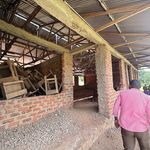
The Prime Minister expressed anger over the use of about Sh200 million to purchase 4,000 roofing sheets from Mwanza for the construction of Katavi Boys Secondary School, which were later discovered to be unsuitable for the project.
He directed the Regional Police Commander (RPC) in Katavi to arrest the contractor who supplied the materials together with all public officials involved in the procurement process until the government recovers its money.
“You travelled all the way to Mwanza to buy roofing sheets, so why did you purchase ones that are not suitable? Who made this decision that has forced the government to spend money twice?” he asked.
“RPC, arrest the contractor who supplied those sheets together with all officials involved until the funds are recovered and legal action is taken against them,” he said.
Dr Nchemba noted that such negligence not only wastes public resources but also delays important development projects intended to benefit communities, particularly in the education sector.
He said the government expects accountability from all public servants and contractors involved in public projects, stressing that those who misuse public resources will face legal consequences.
The Prime Minister also used the occasion to address reports of alleged embezzlement of fertiliser funds within agricultural marketing cooperative societies (AMCOS) in the region.
He directed that all cooperative leaders suspected of involvement in the alleged theft be removed from office immediately, even if their cases are still being heard in court.
According to him, allowing such leaders to continue serving in their positions undermines the integrity of the cooperative movement and erodes farmers’ trust in the institutions meant to support them.
“It is unacceptable for someone who has been accused of stealing public resources to simply return the money and then continue occupying a leadership position,” he said.
“People must learn to read the signs of the times. We cannot create a system where people steal when they think no one is watching, and once they are caught they simply return the money and carry on as if nothing happened,” he added.
Dr Nchemba said he had received information that some leaders of AMCOS who were implicated in fertiliser fund theft had refunded the money but were still holding their positions.
“I have been told that some AMCOS leaders who stole fertiliser funds have returned the money, but they are still in office. That cannot be allowed to continue,” he said.
He instructed the Registrar of Cooperative Societies to ensure that all those implicated are removed from their positions immediately while their cases continue in court.
The Prime Minister emphasised that the government is determined to strengthen accountability and transparency in cooperatives, which play a crucial role in supporting farmers through access to agricultural inputs and markets.
He warned that the government will take firm action against any individual found to be misusing cooperative resources or public funds.
Dr Nchemba said protecting farmers’ interests remains a priority for the government, noting that corruption or mismanagement within cooperatives directly affects agricultural productivity and the livelihoods of rural communities.