Dar es Salaam. Tanzania has expanded domestic financing and district-led delivery for Neglected Tropical Diseases (NTDs) following the sudden withdrawal of external funding in early 2025.
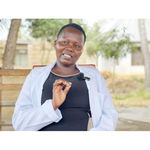
As a result, 130 district councils are now independently implementing Mass Drug Administration (MDA) campaigns, with a national drive underway to raise council-level domestic financing to 80 percent in 2026, according to the country’s NTD Programme Manager, Dr Clarer Mwansas.
Speaking on the reforms, Dr Mwansasu said the funding disruption became a turning point, strengthening government ownership, improving accountability, and increasing local responsibility across Tanzania’s health system.
"The abrupt change in the NTD funding landscape was a wake-up call. It showed how powerful domestic efforts can be, especially in difficult moments," she said.
She explained that the government’s response built on earlier fiscal reforms that steadily expanded national resources for NTDs. Tanzania’s NTD budget rose from Sh1.8 billion in 2021 to Sh16.9 billion by 2024, while the domestic financing share increased from 25 percent to more than 60 percent in 2025.
Looking ahead, Dr Mwansasu said many councils are expected to strengthen their allocations further in 2026, pushing domestic contributions even higher, supported by a clear upward trend over recent years.
The funding shift came at a sensitive moment, with more than 17 million Tanzanians at risk of NTDs, including approximately 10 million children vulnerable to schistosomiasis and soil-transmitted helminths, making continuity of prevention and treatment a public health priority.
Dr Mwansasu noted that reforms were reinforced by deliberate political and fiscal prioritisation. These included accelerated steps towards full government ownership of NTD programmes and measures to institutionalise NTD financing and delivery within routine health planning.
Key decisions included integrating NTDs into the Health Sector Strategic Policy Priorities for 2025/26, incorporating NTD medicines such as Praziquantel and Albendazole into the Universal Health Insurance Package, and decentralising financing and delivery responsibilities to all 184 district councils.
The decentralised approach has brought budgeting and implementation closer to affected communities, enabling councils to plan, execute, and account for interventions locally. This supported 130 councils in successfully delivering MDAs for schistosomiasis and soil-transmitted helminthiasis in 2024.
"We are moving away from blanket treatment to what we call ‘Smarter Spending’. We no longer treat entire districts; instead, we target the ecological limits of disease transmission. For schistosomiasis, treatment is now delivered at ward level to reach high-risk communities," she said.
Performance and financing gaps are being monitored through tools such as the NTD Scorecard, while integration into DHIS2 has improved the visibility and use of NTD data for planning, budgeting, and gap identification.
Dr Mwansasu also highlighted efficiency gains from integrating campaigns, noting that combining deworming with Vitamin A distribution in 2025 reduced costs and saved staff time. The use of teachers as drug distributors in school-based campaigns further improved coverage and strengthened community trust.
She praised domestic medicine donation programmes, describing them as the backbone of the Preventive Chemotherapy strategy, which reduced the population requiring treatment by 76 percent between 2021 and 2025. However, she cautioned that any decline in domestic financing could threaten sustainability following donor withdrawal, as the elimination framework now relies on co-financing under a devolved model of ownership and delivery.
According to Dr Mwansasu, Tanzania is increasingly viewed as a practical example for other African countries navigating donor transitions, demonstrating how strong political will, decentralised systems, and data-driven accountability can turn a funding shock into long-term health-sector reform.
Neglected tropical diseases are a diverse group of conditions caused by various pathogens and toxins, often leading to long-term disability and social and economic loss when untreated. They disproportionately affect poorer communities in tropical regions.
In Tanzania, schistosomiasis, soil-transmitted helminths, lymphatic filariasis, onchocerciasis, trachoma, and several zoonotic diseases remain endemic, with many communities facing overlapping risks.
Register to begin your journey to our premium contentSubscribe for full access to premium content