Dar es Salaam. Tanzania aims to have all households enrolled in the Universal Health Insurance Scheme within the next two years as the government seeks to expand access to healthcare and strengthen social protection.
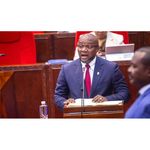
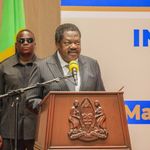
Finance Minister Ambassador Khamis Mussa Omar said the government was working to ensure 100 percent of households are registered under the scheme by the 2028/29 financial year, with poor and vulnerable households covered by the Government.
He made the remarks in Addis Ababa, Ethiopia, while participating as a panellist in a Finance Ministers’ discussion on “Sustainable Health Financing: Financing Africa’s Health Future in an Era of Fiscal Constraints and Health Self-Reliance.”
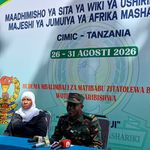
The discussion was held ahead of the 76th session of the World Health Organisation (WHO) Regional Committee for Africa.
Ambassador Omar said about 10 percent of Tanzanian households were currently enrolled in the scheme, adding that the government was stepping up efforts to expand coverage.
He identified economic growth, improved domestic revenue collection, health-related taxes on harmful products, efficient public spending, universal health insurance, private-sector investment and innovative financing mechanisms as key sources of sustainable healthcare financing.
He stressed that healthcare financing remained a national priority.
The minister also said the Government was expanding the Health Equity Fund to improve access to healthcare for poor and vulnerable citizens.
Deputy Health Minister Dr Florence Samizi said Tanzania had made significant progress in the health sector by increasing its budget and improving medical infrastructure.
She said health self-reliance meant having the capacity to finance healthcare services and produce medicines and essential technologies closer to communities.
Dr Samizi urged the private sector to invest in the production of medicines, diagnostic equipment, specialist healthcare services, medical technologies and digital health systems.
WHO Regional Director for Africa Prof Mohamed Janabi said healthcare was central to national development and urged African countries to focus on three priorities: establishing pharmaceutical and vaccine manufacturing industries, strengthening primary healthcare and implementing universal health coverage.
He said about 80 percent of medicines required in Africa were imported, while some citizens in African countries paid more than 70 percent of their healthcare costs out of pocket.
Prof Janabi called on the private sector to invest in pharmaceutical and vaccine manufacturing, as well as infrastructure needed to strengthen human capital.
The discussion brought together Health and Finance ministers, development partners and regional leaders to examine financial pressures affecting progress towards universal health coverage, including declining external aid, fiscal constraints and rising debt.
Acting Deputy Permanent Secretary and Commissioner for External Finance in the Ministry of Finance, Rished Bade, and senior officials from the Ministry of Health also attended the meeting.
Register to begin your journey to our premium contentSubscribe for full access to premium content