Dar es Salaam. While the Tourism Confederation of Tanzania (TCT) has welcomed the government’s ambitious expansion of national airport infrastructure, it warns that private investment will remain grounded unless longstanding regulatory and operational “bottlenecks” are cleared.
In a statement responding to recent remarks by the deputy minister for Transport, Mr David Kihenzile, TCT said that while airport infrastructure is essential, it must be matched by a predictable and efficient operating environment to attract private capital and sustain growth in aviation and tourism.
“Build the airports—yes. But fix the operating environment first,” the confederation stated, noting that investors look beyond terminals and runways to the reliability of systems that keep aircraft flying and businesses competitive.
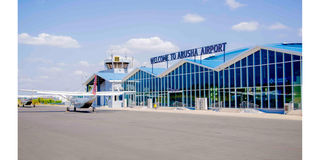
Recently, Mr Kihenzile urged the private sector to seize aviation investment opportunities as the government upgrades and expands airports across the country, including in Mbeya, Rukwa, Katavi, Kigoma, Mtwara and Lindi, with additional projects planned in Shinyanga, Simiyu, Musoma, Njombe and within Serengeti National Park. He also outlined plans to add eight aircraft by 2030 and increase the number of operational airports from 16.
TCT said the direction was welcome and necessary for Tanzania’s long-term connectivity, but stressed that infrastructure alone would not unlock the sector’s full potential.
“Aviation is not a niche sector. When aviation works, Tanzania’s broader economy works—especially tourism, trade and jobs,” the statement said.
Citing International Air Transport Association (IATA) estimates, the confederation noted that aviation and its wider impacts, including tourism, contribute about $3.8 billion to Tanzania’s GDP—around 4.8 percent—and support roughly 711,000 jobs.
Tourism supported by aviation alone contributes about $3.4 billion and employs more than 614,000 people.
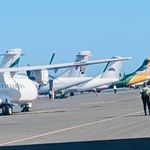
However, TCT said the binding constraint to growth was not a shortage of runways but challenges within the operating environment, including delays in clearing safety-critical aircraft parts, unpredictable tax treatment, definitional ambiguities affecting tourism aviation activities such as hot air ballooning, and rising costs of mandatory aviation insurance.
The confederation warned that delays or disputes over the importation of aircraft parts could ground planes, disrupt schedules and increase costs across the tourism and transport value chain.
“If Tanzania wants more aircraft and more routes to use the airports it is building, then safety parts must move through the system quickly and reliably,” the statement said.
TCT also raised concern over the treatment of aviation insurance, noting that changes in tax arrangements could unintentionally raise the cost of compulsory cover and weaken competitiveness, particularly where insurance is sourced from international markets.
In addition, it urged caution in the introduction of new passenger charges, calling for transparency, consultation with industry players and clear legal and audit frameworks to avoid undermining tourism demand.
The confederation proposed what it termed an “operational certainty” agenda to run alongside the infrastructure push.
This includes an aviation-specific approach to taxes and customs classifications for safety inputs, fast-track procedures for aircraft-on-ground situations, coherent treatment of tourism aviation activities, a pragmatic review of aviation insurance taxation and transparent passenger charges.
“Private investment will follow only if the sector’s operating environment is stable and predictable,” TCT said.
“Fixing these constraints is not anti-investment. It is the precondition for investability—and the fastest way to ensure that Tanzania’s airport expansion translates into more aircraft, more routes, stronger tourism and better jobs.”
Register to begin your journey to our premium contentSubscribe for full access to premium content