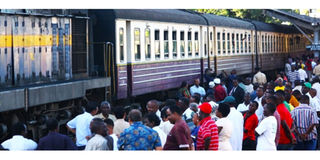
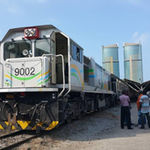
Moshi. As hundreds of travellers journey from Dar es Salaam to Kilimanjaro and Arusha regions, Tanzania Railway Corporation (TRC) has added an extra train to ease travel ahead of the Christmas and New Year holidays.
During the festive season, these regions often face travel challenges due to the surge in passengers returning home for celebrations, leaving some unable to secure transport, while others are forced to sleep at bus terminals because of limited vehicles.
Speaking about train services for the festive period, TRC Head of Public Relations Fredy Mwanjala said on yesterday that high demand prompted the addition of an extra passenger train from Dar es Salaam to the northern regions.
“For our Northern Line schedule to Arusha and Moshi, trains normally depart at 2:00 pm every Monday and Friday. We have now added an extra full train every Saturday until January 2026, departing at 2:00 pm,” he said.
Mr Mwanjala added: “The main aim is to ensure we serve Tanzanians travelling to the northern regions for Christmas and New Year celebrations.”
The decision also considers public servants and students travelling back and forth after the January 2026 holiday.
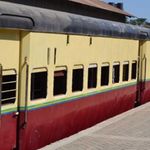
For central routes, from Dar es Salaam to Kigoma, TRC will use 20 carriages instead of the usual 16 during the peak season.
“We have refurbished four carriages and now for the festive season, instead of the usual 16 for central region routes, we will operate 20 carriages,” said Mr Mwanjala.
Reports from Kilimanjaro indicate that there is heavy congestion of people and vehicles, especially during midday and evening.
The Citizen’s sister newspaper, Mwananchi, witnessed traffic jams in central Moshi, causing long queues.
A resident, Mr Ebenezer Swai, said: “During this end-of-year festive period, Moshi town becomes very crowded. People park on the roads due to a lack of parking space, leading to heavy congestion.”
A passenger travelling from Moshi to Rombo District, Ms Anna Shayo, said many vehicles are full, forcing passengers to wait for long periods.
“At the smaller bus stands, there are few vehicles but many people, so sometimes we have to wait a long time for a bus,” she said.
Two days before Christmas, the transport situation at Magufuli Bus Terminal in Dar es Salaam was reported as smooth, with many buses to northern regions departing fully occupied.
RN Bus Express Owner, Mr Nelson Kimaro, said passenger numbers had surged since December 21, 2025, making it difficult to find available buses for some routes.
“Currently, buses to the North are full. If you go to the terminal asking for a bus to Arusha or Kilimanjaro, many are already full,” he said.
He noted that this contrasts with December 10-19, when low passenger numbers made operations challenging, with some buses carrying only 20–40 passengers, resulting in lower fares.
According to Mr Kimaro, fares remain at normal levels, ranging from Sh42,000 for standard buses to Sh60,000 for VIP services, depending on the type of service.
Passenger numbers are expected to remain high until December 24, decline slightly after Christmas and then rise again towards the New Year.
“Christmas peaks on the 24th. After that, passengers drop for a few days, then increase again for New Year celebrations,” he said.
Mr Kimaro highlighted challenges in the transport sector, including special hire vehicles (coasters) carrying regular passengers during the holidays, increasing competition.
“These vehicles take many passengers, especially in areas like Urafiki, Mwenge and Tegeta, affecting bus operations,” he said.
Despite these challenges, transport services continue smoothly, with buses serving holiday passengers.
To address transport issues, the Land Transport Regulatory Authority (LATRA) reported that by December 20, 2025, a total of 252 temporary permits had been issued.
LATRA Director General Habibu Suluo said that between December 1 and 20, 2025, a total of 1.978 million tickets were sold, generating Sh71.347 billion in fares.
Meanwhile, special hire driver Shaaban Nguruka said that since December 20, 2025, passenger numbers had risen, with many trips heading to Kilimanjaro and Arusha.
“Passengers are many going to the North and fares reach up to Sh55,000 due to the nature of the trip, because while going full, the return trip may be empty,” said Mr Nguruka, adding that higher fares help cover fuel costs for return trips, which often carry few passengers.
Register to begin your journey to our premium contentSubscribe for full access to premium content