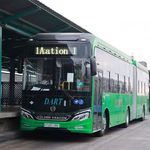
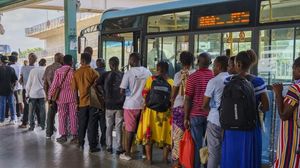
Dar es Salaam. Thousands of commuters in Dar es Salaam’s southern suburbs will soon be required to integrate their journeys through the Bus Rapid Transit (BRT) system after transport regulators directed all daladala operators along Kilwa Road to shift their operations to the Mbagala Rangi Tatu BRT terminal from July 1, 2026.
The directive by the Land Transport Regulatory Authority (Latra) is part of wider efforts to boost usage of the city’s mass transit system and safeguard multi-billion-shilling investments in modern transport infrastructure.
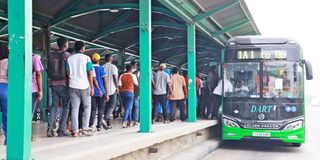
Latra Director General Habibu Suluo issued the directive on Monday, June 15, 2026 during an inspection of BRT Phase Two and the Kivukoni terminal, ordering that all commuter buses currently operating from the existing Mbagala Rangi Tatu stand must relocate to the BRT terminal by the end of June.
“We must ensure these services attract enough passengers and remain sustainable. If investors continue making losses, others may hesitate to invest in similar projects in future,” he said.
He noted that the BRT system is currently operating at about 50 percent capacity, a situation attributed to continued competition from daladala services operating on parallel routes.
Under the new arrangement, commuters from areas such as Mkuranga, Tuangoma and nearby settlements will board daladalas at the Mbagala terminal before continuing their journey into the city using BRT buses.
Latra said the integration is intended to improve efficiency, reduce congestion and create a seamless public transport system.
Mr Suluo warned that enforcement would be strict once the new system takes effect.
“Commuter buses must pick up and drop off passengers only at designated locations. Any unauthorised stopping within BRT lanes will be an offence,” he said.
Latra is also working with transport agencies and the police to ensure compliance, while exploring integrated fare systems between daladalas and BRT buses to ease passenger movement.
Dar Rapid Transit Agency (Dart) Chief Executive Said Tunda said the reforms are necessary to protect major investments made in the system, noting that many buses remain underutilised due to low passenger uptake.
“A single bus costs about Sh900 million, and we have more than 200 buses in the fleet. Yet only a small number are operating.
Such an investment must deliver value,” he said. He said that integration is not intended to displace daladala operators but to strengthen the overall transport network.
Dart’s Director of Operations and Infrastructure Management, Philimon Mzee, said the Mbagala terminal has been designed as a multimodal hub capable of accommodating more than 50 daladalas at a time, alongside motorcycle taxis, tricycles and private vehicles.
Transport operator Mofat’s Company Limited Director Mohammed Kassim said the current imbalance has affected operations, with only 50 of its 200 buses currently on the road.
“If all our buses were operating, we could employ more than 1,200 people, including over 750 drivers.
We invested heavily through bank loans, but many buses are still idle,” he said.
He urged operators and commuters to embrace the integration, saying stronger BRT usage would improve efficiency, protect investments and create more jobs in the sector.
Register to begin your journey to our premium contentSubscribe for full access to premium content