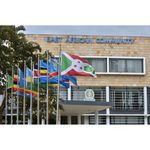
Arusha. Uganda’s controversial Protection of Sovereignty Act has come under scrutiny before the East African Court of Justice (EACJ), with four civil society organisations from three East African countries challenging 25 provisions they say undermine regional integration and conflict with Uganda’s obligations under the EAC Treaty.
The organisations have asked the Arusha-based regional court to order Uganda to stop applying or enforcing the contested provisions and take legislative, administrative or other measures to bring the law into line with the Treaty.
The case, filed on July 21, 2026, names the Government of Uganda and also challenges the role of the EAC Secretary General in ensuring that Partner States comply with their Treaty obligations.
The applicants are Uganda-based Centre for Environmental Research and Agriculture Innovations (CERAI) and Youth for Green Communities (YGC), Kenya’s Natural Justice and Tanzania’s Organization for Community Engagement (OCE).
The legal challenge centres on what the applicants describe as a conflict between Uganda’s sovereign authority to regulate organisations operating in its territory and its commitments to regional integration and cooperation under the EAC framework.
They argue that the law could restrict civil society organisations’ ability to operate across borders, access international funding and technical assistance, and participate in regional programmes covering environmental protection, climate change, human rights and sustainable development.
According to the applicants, such restrictions could hinder regional funding, technical assistance and partnerships involving organisations from different EAC Partner States.
Treaty provisions challenged
The organisations have based their case on several provisions of the EAC Treaty.
They cite Article 5(3)(g), which provides for stronger cooperation among Partner States, civil society organisations and the private sector in promoting sustainable social, economic and political development.
They also rely on Articles 6(d) and 7(2), which establish principles including good governance, democracy, accountability, transparency, the rule of law, social justice and people’s participation in development.
Articles 8(1)(a) and (c) are also cited, with the applicants arguing that Partner States are required to create conditions conducive to achieving EAC objectives and refrain from measures that could jeopardise those objectives.
Article 127, which provides for an enabling environment for civil society participation in EAC activities, also forms part of their case.
The applicants want the EACJ to determine whether the contested provisions are compatible with Uganda’s Treaty obligations and, if not, order the government to amend the law.
Regional cooperation at stake
CERAI executive director Gerald Barekye said his organisation had been working with Ugandan and other East African organisations to expand access to clean energy through research, community awareness and the distribution of clean-energy technologies.
“Our organisation has been collaborating with Ugandan and other organisations across East Africa to promote clean energy access,” he said.
Mr Barekye said the organisation’s work could be affected if legislation made cross-border cooperation among civil society groups more difficult.
Richard Sekondo of OCE said his organisation joined the case because it believes the legislation could affect efforts to advance climate justice across East Africa.
He said cooperation among civil society organisations was essential to ensuring that communities participated meaningfully in the region’s transition to clean energy and sustainable development.
The applicants have also asked the EACJ to examine the conduct of the EAC Secretary General, arguing that the office should have assessed the compatibility of Uganda’s legislation with the EAC Treaty and, where necessary, referred the matter to the regional court.
They want the court to direct the Secretary General to monitor Uganda’s compliance with any orders issued and report on their implementation.
Law under scrutiny
The challenge follows Uganda’s enactment of the Protection of Sovereignty Act on May 5, 2026.
The legislation provides for the registration and regulation of “agents of foreigners” and regulates funding and other forms of assistance provided to entities covered by the law. It also introduces reporting and other regulatory requirements.
The Ugandan government has maintained that the legislation is intended to protect the country’s national interests and sovereignty.