Women take larger role in Tanapa leadership as gender gap narrows
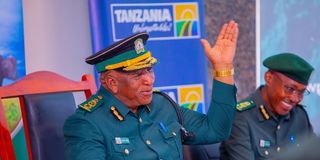
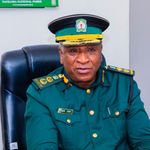
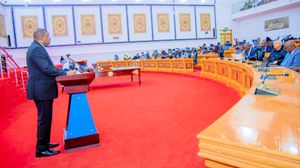
Tanzania National Parks Conservation Commissioner, Mr Musa Nassoro Kuji, addresses a press conference on the importance of gender equality in managerial positions within the conservation agency. PHOTO | COURTESY
Arusha. Tanzania National Parks (Tanapa) says women now hold 37 percent of its senior leadership positions, reflecting changes in gender representation within the conservation institution.
The figure has risen from 22.6 percent in the 2020/21 financial year and is above the global average of less than 28 percent for women in senior decision-making positions, according to data from UN Women and the Inter-Parliamentary Union.
Tanapa, which manages 21 national parks, said the increase reflects efforts to promote gender equality in a sector where men have traditionally occupied many field and leadership roles.
“Female representation in leadership positions has increased from 22.6 percent in 2020/21 to 37 percent in 2025/26,” Tanapa Commissioner of Conservation CPA (T) Musa Nassoro Kuji said.
According to the agency, women currently hold 23 of 62 commissioner-level positions and oversee departments including finance, human resources, communications, procurement, business development and planning.
Among them are Assistant Commissioner for Conservation Moreen Mwaimale (Finance), Cecilia Mtanga (Human Resources), Catherine Mbena (Corporate Communication), Jully Lyimo (Business Development), Catherine Mwamasage (Procurement), and Senior Assistant Commissioner for Conservation Sekela Mwangota (Planning, Monitoring and Evaluation).
Women also hold operational leadership positions in administrative zones and liaison offices.
Senior Assistant Commissioner for Conservation Dr Beatrice Kessy heads the Northern Zone, while Neema Mollel leads the Dar es Salaam liaison office, Dr Halima Kiwango oversees Zanzibar and Noelia Myonga heads the Dodoma office.
At park level, women lead eight of Tanzania’s 21 national parks, including Kilimanjaro, Tarangire, Lake Manyara, Arusha, Saadani, Mkomazi, Udzungwa Mountains and Saanane Island national parks.
Tanapa says the increase in women’s leadership has coincided with changes in performance indicators within the institution.
The agency reports that operational efficiency among conservation staff and park rangers increased from 65 percent in 2020/21 to 87 percent in 2025/26.
Officials attribute the increase to accountability systems, leadership practices and performance monitoring.
The development aligns with Tanzania’s commitments to gender equality and the United Nations Sustainable Development Goals, particularly Goal Five on gender equality and the empowerment of women and girls.
Studies by organisations including the International Labour Organization, the World Bank and UN Women have linked greater gender diversity in leadership with governance and institutional performance outcomes.
Tourism remains one of Tanzania’s sources of foreign exchange earnings, and Tanapa plays a role in managing wildlife resources that attract international visitors each year.