Women turn climate challenges into opportunities through education
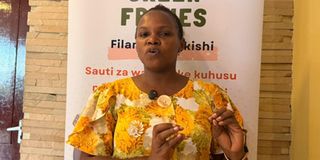
A resident of Kivule in Dar es Salaam, Veronica Julius, explains how climate change adaptation strategies and environmental education have improved livelihoods and strengthened resilience in her community. PHOTO | COURTESY
Dar es Salaam. Women in Dar es Salaam have underscored the importance of climate change education, saying it is helping them turn environmental challenges into economic opportunities while strengthening their resilience against the growing impacts of climate change.
For years, Veronica Julius, a resident of Kivule in Ilala District, struggled with unpredictable weather patterns that disrupted her farming activities. Heavy rains frequently flooded her fields, while prolonged dry spells caused crops to wither in the sandy soil.
However, she says climate and environmental education has transformed her outlook and provided practical solutions to adapt to changing conditions.
Speaking during a stakeholders' workshop organised by My Legacy on June 23, 2026, Veronica said the training programmes had helped her understand the causes and effects of climate change and how communities could respond effectively.
“Whenever rainfall was excessive, our farms became waterlogged and difficult to cultivate. During the dry season, the soil dried quickly, resulting in crop losses and reduced income,” she said.
Agriculture was one of her family's main sources of livelihood, and the situation had previously forced her to depend on casual work to support her household.
According to Veronica, conditions started improving after she participated in environmental awareness and climate resilience training programmes.
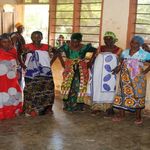
The knowledge gained enabled her and other women in the area to establish community-based environmental initiatives through local gender clubs.
One initiative, known as the "Zero Waste" campaign, promotes waste management as both an environmental solution and an economic opportunity.“Many people see waste as something to dispose of, but we have learned that it can be a valuable resource.
It can be recycled, reused and even generate income for families,” she said.
Under the initiative, discarded plastic containers are being repurposed as flower pots, while other waste materials are collected and recycled for productive use.
Apart from supporting environmental conservation efforts, the programme is also helping women earn additional income while reducing pollution linked to climate change.
My Legacy programme coordinator, Amina Mtengeti, said women and girls remain among the groups most vulnerable to the effects of climate change because of their traditional responsibilities within households and communities.
She said water scarcity, driven by prolonged droughts and changing rainfall patterns, continues to place a disproportionate burden on women.
“When water becomes scarce, women and girls are often responsible for searching for it. As a result, they spend considerable time collecting water instead of engaging in education, income-generating activities and other opportunities,” she said.
Ms Mtengeti said the impact extends beyond household economies and affects health and wellbeing, particularly among adolescent girls.
Limited access to clean water, she explained, can undermine personal hygiene and increase health risks, especially during menstruation.
“That is why climate change education is important. Communities need to understand these impacts and learn how to build resilience before the challenges become more severe,” she said.
She added that equipping women and girls with climate knowledge not only helps them cope with environmental challenges but also enables them to identify economic opportunities related to environmental conservation and sustainable resource management.
The workshop formed part of the Green Shores (Mialo ya Kijani) project, implemented by My Legacy in partnership with Hadithi House and funded by the European Union through the Vijana Art Works programme.
The project provides women and girls from different parts of Dar es Salaam with a platform to share experiences, learn adaptation strategies and participate in initiatives aimed at addressing climate change impacts.