The Iran conflict has revived an old African vulnerability that too many governments still treat as an afterthought. Food insecurity rarely begins in the field. It often begins much earlier, in global markets for fuel, fertiliser, shipping and finance.
In April, the heads of the IMF, World Bank and World Food Programme warned jointly that sharp rises in oil, gas and fertiliser prices, coupled with transport disruptions, were driving food insecurity higher, especially in low-income economies dependent on imports.
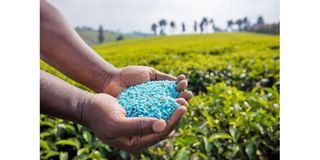
The World Bank’s March 2026 food and nutrition security update showed urea prices leaping by nearly 46 percent from February to March. Reuters later reported that the Iran war had pushed global urea prices roughly $80 per tonne above pre-war levels. That kind of shift does not stay in commodity bulletins for long. It reaches the farm gate.
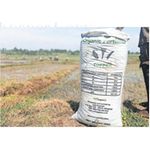
Tanzania offers a revealing case. The Ministry of Agriculture’s monthly market bulletin says the country imports roughly 90 percent of its annual fertiliser requirements. Its 2023/24 annual report shows fertiliser stocks reaching 1.2 million tonnes, though only 158,628 tonnes came from domestic production.
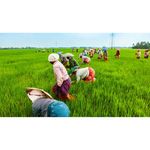
That gap tells the story more clearly than any policy speech. Tanzania’s farm economy still leans heavily on imported inputs, imported price signals and imported volatility.
When energy prices rise, fertiliser transport becomes more expensive. When gas markets tighten, nitrogen costs climb.
When shipping routes become unstable, planting decisions shift. Farmers absorb the first shock, consumers absorb the second and governments then scramble to contain the politics of the third.
There are lessons here from Ukraine that Africa would be wise to study seriously.
Reuters reporting from April showed Ukrainian producers complaining about diesel prices jumping from 54 to 92 hryvnias per litre within weeks, while farm executives warned that another season of high input costs would push growers into bankruptcy, weaken harvests and hurt tax revenue. War had changed the economics of farming far from the front line.
Africa should resist the illusion that it stands outside that logic. It lives inside it.
The real opportunity lies in moving fertiliser out of the category of seasonal procurement and into the category of strategic industry. Nigeria’s Dangote operation has already begun ramping up urea exports across Africa to ease shortages linked to the Iran conflict, while Reuters reported last year that Ethiopia signed an agreement with Dangote Group for a $2.5 billion fertiliser plant.
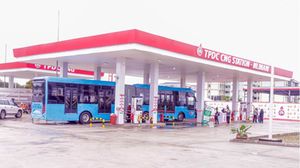
That is the kind of thinking Tanzania should be studying with real urgency. Gas reserves, industrial ambition and regional demand create a credible opening. Over the next decade, countries that connect gas development, fertiliser production, blending, storage, irrigation, extension services and rail distribution will protect their food systems far better than those that keep subsidising imported bags year after year.
Still, there is plenty to get wrong. Import substitution can easily become a slogan divorced from execution. A fertiliser plant without reliable gas, transparent procurement, working capital and sound logistics can fail just as surely as an import-dependent system can buckle. Badly designed subsidies can eat public money while rewarding traders more than farmers. Dependence can simply migrate from one foreign supplier to another under a new label.
The deeper lesson remains stark. A country that wants food security must think beyond agriculture. It must think industrially, logistically and financially. Otherwise the next global shock will arrive, once again, through the cost of inputs and ministers will discover too late that they have been importing fertiliser risk and calling it agricultural policy.