Why Chande report signals political reset for Tanzania

Dar es Salaam. The submission of the Presidential Commission report on post-election violence following the October 29, 2025 General Election is increasingly being viewed as a potential turning point in Tanzania’s political trajectory, with growing emphasis on reconciliation, accountability and institutional reform as key foundations for future stability.

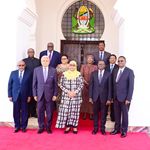
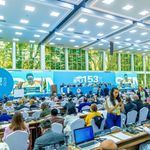
The report was presented to President Samia Suluhu Hassan at State House in Dar es Salaam on April 23  after more than 150 days of work. It was prepared by a commission chaired by Retired Chief Justice Mohamed Chande Othman and examines the causes, triggers and consequences of the unrest that left 518 people dead and hundreds injured. It also sets out recommendations aimed at preventing a recurrence and strengthening governance systems.

Presidential Adviser on Diplomatic Affairs Lazaro Nyalandu said the government’s response during the unrest should be understood in the context of restoring order and protecting lives. He said that the report provides clarity on the nature of the events and the importance of national unity moving forward.

At the centre of the commission’s recommendations is the proposal to establish a reconciliation mechanism under the President’s authority, widely interpreted as an attempt to institutionalise the 4R framework—Reconciliation, Resilience, Reforms and Rebuilding—as a guiding approach to national healing.

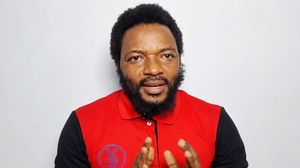
Political analyst Baraka Mfinanga said the report offers an opportunity for Tanzania to re-examine its political and governance arrangements.

He noted that meaningful reforms, particularly in the electoral system and political dialogue, are necessary to rebuild trust and prevent future instability.

Disaster and risk analyst Neema Kasesela said reconciliation must go hand in hand with rebuilding trust in public institutions. She stressed that youth inclusion is particularly important, given the central role young people played in the events surrounding the election period.

The commission identified both structural and immediate causes of the unrest, including long-standing grievances over constitutional and electoral reforms, governance concerns and issues of political inclusion.

It also concluded that the demonstrations were organised and coordinated rather than spontaneous, with some participants reportedly recruited and financed.

Despite these findings, the report has drawn mixed reactions from political actors. Opposition parties, including ACT Wazalendo, have called for a fully independent and transparent investigation, arguing that national healing requires broader consensus and credibility in the process.

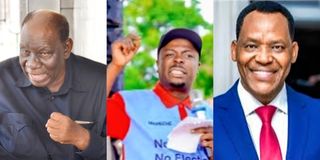
Chadema Vice Chairman (Mainland) John Heche questioned the independence of the commission, arguing that its composition limited its ability to provide an impartial account of events.

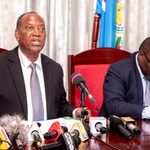
In contrast, Chama Cha Mapinduzi (CCM) Vice Chairman Stephen Wasira defended the report, saying it demonstrates Tanzania’s capacity to address its internal challenges without external validation.

Religious leaders have urged calm and responsibility in implementing the recommendations. Chairman of the National Interfaith Committee on Peace, Justice and Ethics Bishop William Mwamalanga said accountability is essential for restoring public confidence, while also warning against actions that could reignite tensions.

Legal expert Alloyce Komba said the process of truth-telling is essential for reconciliation, drawing comparisons with transitional justice experiences in other countries.

University of Dodoma lecturer Conrad Masabo said the effectiveness of the report will depend on how expectations from different groups are managed. He warned that focusing only on immediate triggers, without addressing deeper structural causes such as delayed reforms, could limit its impact. He also suggested that proposed institutions, such as a council of elders, should include stronger youth representation given the country’s demographic structure.

Prof Benson Bana emphasised that peace, justice and freedom must be pursued together, arguing that none of the three can be sustained in isolation.

Chairman of the National Council of Elders David Sendo urged leaders to exercise restraint in their public statements during the implementation phase, saying responsible communication will be key to safeguarding national stability.