Climate: Why NMG shift matters now more than ever

Livestock pic

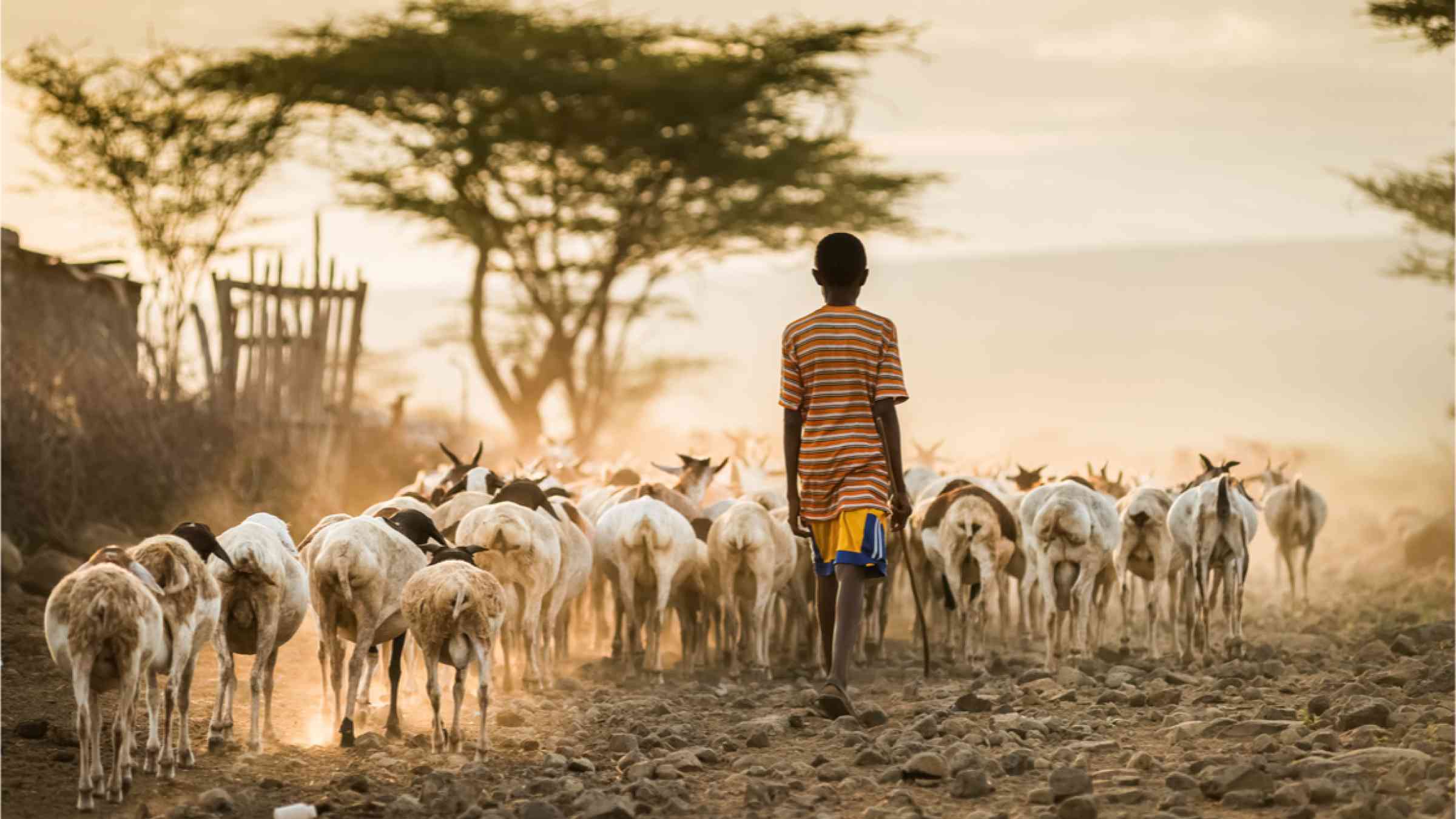
Across East Africa we continue to witness prolonged drought cycles devastating pastoral communities. PHOTO | FILE
By Bryan Bwana

In the weeks following the global deliberations at COP30, one message that rang clear to me was that climate action will succeed or fail in laboratories, parliaments and in the public conversation.

Against this background, the acquisition of a controlling stake in Nation Media Group by Tanzanian businessman Rostam Aziz should be viewed through a broader regional lens. Beyond corporate ownership, this moment signals potential strengthening of East Africa’s communication infrastructure at a time when climate change demands deeper regional and continental cooperation.

During COP30, global negotiators emphasised a critical but often overlooked component of climate mitigation: the role of media in translating climate science into public understanding, community awakening and collective action.

Governments, climate institutions and civil society organisations highlighted several priorities including but not limited to:

1. Expanding climate journalism capacity

2. Strengthening regional information sharing

3. Supporting community-level climate awareness

4. Countering misinformation on climate science

In short, the global climate agenda now recognises media not merely as observers but as active partners in climate mitigation and adaptation. This has been a long-time coming.

For Africa in general and East Africa in particular, this recognition could not come at a more crucial time.

The countries of the East African Community sit among the world’s most climate-sensitive regions. Across the region we continue to witness prolonged drought cycles devastating pastoral communities, flooding around the Lake Victoria basin displacing thousands upon thousands year in, year out, and coastal erosion threatening livelihoods along the Indian Ocean, etc.

And still climate reporting in the region remains fragmented, national and episodic. Yes, episodic! This is where a powerful regional media institution like Nation Media Group becomes extremely crucial.

With newspapers, television stations, radio networks and digital platforms reaching audiences across Kenya, Tanzania, Uganda and Rwanda, the group already represents one of East Africa’s most influential communication networks.

Why the ownership shift matters

The entry of Rostam Aziz into the ownership structure of Nation Media Group introduces something significant to the regional media landscape. It introduces a deeper East African investment footprint in the fact-based, unique storytelling architecture of the region.

Mr Aziz’s business activities have long crossed borders. He has owned telecommunications firms, energy and logistics entities, all of which have reflected upon the interconnected economic space that the East African Community seeks to re-deepen.

He is a regional investor with cross-border commercial interests who also understands something essential about climate change. He knows that climate risks do not respect national boundaries.

Drought in northern Kenya affects livestock markets in Tanzania. Flooding in Uganda affects trade routes to Rwanda. Coastal erosion affects tourism economies across the entire Indian Ocean corridor, etc.

As such, a regional media platform capable of consistently reporting these interconnected realities could dramatically improve public understanding of climate risks.

Media as a climate solution

One of the most significant messages emerging from COP28 is that climate solutions require societal mobilisation. And societal mobilisation requires information ecosystems that citizens trust. If strengthened, a regional media network like Nation Media Group could play several critical roles:

1. Climate knowledge translation: Scientific reports are often inaccessible to ordinary citizens. Media can translate complex climate science into practical information for farmers, fishermen and urban communities.

2. Early warning communication: Regional news networks, especially digital media networks, can and will amplify early warnings on floods, droughts and extreme weather events.

3. Accountability journalism: Investigative reporting can track government climate commitments, financing and adaptation programmes.

4. Regional climate storytelling: Stories of innovation ranging from karafuu planting in Zanzibar, solar irrigation in Tanzania to mangrove restoration in Kenya, can inspire regional replication. In essence, climate journalism becomes climate action.

The transformation unfolding within Nation Media Group arrives at a time the East African Community itself is entering a renewed phase of integration.

Infrastructure corridors are expanding. Digital markets are growing. Trade integration is deepening.

But regional integration also requires something less tangible: a shared narrative. A strong regional media ecosystem will help East Africans see themselves not a unified regional national audience with citizens of a shared ecological and economic space.

This shift signals a beacon of possibility. At a time when climate anxiety often dominates global conversations, East Africa has an opportunity to demonstrate something different and unique, collaborative resilience.

The orientation of regional business leadership, media institutions and climate communication, reinforced by the global momentum from COP30, has the potential to transform the way the region understands and responds to climate change.

If leveraged wisely, the evolving role of Nation Media Group could help build stronger journalism and a stronger East Africa.

And in the climate century now unfolding, that may prove to be one of the most important investments of all.

Because the future of climate action will depend not only on policies and technologies, but on who tells the story and how the story unites a region.

Bryan Toshi Bwana is the Founding Trustee of Umoja Conservation Trust (UCT). www.umojaconservation.org