The Abbott World Marathon Majors and valuable lessons in leadership
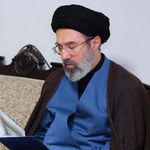
The author with the Six-Star Abbot Medal awarded to him after he completed six elite marathons – New York, Boston, Chicago, London, Berlin and Tokyo. PHOTO | COURTESY
By Herman Kasekende
It’s the long haul.
Running a marathon teaches you to focus on the bigger picture — much like leading an organisation or managing a team.
I registered for the Nairobi Marathon in 2015 as my first full marathon. At the time, apart from my enthusiasm, I was very much an amateur. Like a start-up founder with an idea but no clear roadmap, I had little expert guidance on how to prepare.
When race day came, I did not have a consistent strategy to follow. The result was almost disastrous. I completed the first half in under two hours but eventually crossed the finish line after more than five hours.
Many marathon runners will recognise that mistake.
The experience taught me some valuable lessons: hydrate properly, pace yourself, and allocate your energy wisely across the race. In business, just as in a marathon, success requires consistency and discipline.
Over the years, I have shared these lessons with friends who were interested in running. Many have since completed full marathons, including races in the Abbott World Marathon Majors and the Comrades Ultramarathon (90 km).
Belief and optimism
Another parallel between leadership and marathon running is belief coupled with optimism.
When you lead a team or build a business, many variables are uncertain and you inevitably face headwinds. In those moments, it becomes important to believe in your capabilities and remain optimistic about the outcome.
Leaders are driven by passion for what they want to achieve. That passion inspires teams to share in the vision and move forward together.
Resilience
After completing the Two Oceans Marathon, I set my sights on an even bigger challenge: the Comrades Ultramarathon.
This iconic race runs between Pietermaritzburg and Durban, alternating directions each year. When the world reopened in 2022, I ran the “down run” from Pietermaritzburg to Durban.
Training for and completing a 90-kilometre race teaches many lessons. It requires discipline, resilience and focus. On race day, the body will be pushed to its limits, but what ultimately carries you through is your focus on the goal ahead.
Leadership demands the same mental strength. Just as long-distance runners push through fatigue and pain to reach the finish line, leaders must navigate challenges and setbacks to achieve their goals.
Keep moving
Some stages of a marathon feel slower than others. What matters is maintaining the right pace to reach your target.
For example, to complete a marathon in under four hours, a runner must maintain an average pace of about 5 minutes and 37 seconds per kilometre.
In business, the same principle applies. Leaders set ambitious targets and then break them down into quarterly and monthly milestones. Like a marathon pacer, they guide their teams to maintain momentum and adjust the pace where necessary.
A good leader also recognises that some team members can stretch further and deliver more. When that happens, performance should be recognised and rewarded.
Together we can go further
Another important lesson from running is that teamwork matters.
While solo runs are sometimes necessary, training with others and exchanging ideas often improves performance.
When I moved to Tanzania, I met Godfrey Mramba, an accomplished runner pursuing the Six-Star Abbott World Marathon Majors medal. Beyond being a fast runner himself, he has a remarkable ability to pace others and help them improve.
Runners like Godfrey are an inspiration to the running community in Tanzania.
Training, nutrition, hydration and rest
There is one simple rule in marathon running: you cannot cheat the preparation. The same is true in leadership. Leaders must lead by example and constantly adapt to changes in the environment. Teams require training and development to improve productivity, but they also need balance and recovery.
Just like marathon runners rely on training, nutrition, hydration and rest to perform at their best, organisations must invest in the well-being and growth of their people.
Marathon training typically includes long slow distance runs, speed work, tempo training, and stretching before and after runs. Each element plays a role in building endurance and strength.
The six-star journey
I am proud to have completed the Abbott World Marathon Majors, earning the Six-Star medal after finishing marathons in New York, Berlin, London, Chicago, Boston and Tokyo.
My hope is that more people will take up the challenge. With determination and preparation, many of you can achieve it too.
Herman Kasekende is the Managing Director, Standard Chartered Bank Tanzania. The views expressed do not necessarily represent those of Standard Chartered Bank.